
Some tangible History
Well it is about a year ago that I was perched on the small island of St. Helena – in the middle of the Atlantic Ocean, but right on the edge of the African Plate! I was leading a trip with some lovely people who had joined me to brave about 11 days on a round trip ocean voyage for the privilege of a week in this remote and beautiful part of the planet. Primarily we explored the island with the great folks from the St. Helena National Trust and St. Helena Tourism – from their endemic wirebirds and breeding seabirds to reforestation projects (yes, a rainforest occurs on the highest peaks) and important cultural features. We enjoyed the diverse history related to the development of trade routes as well as the prisoner/exile stories too.
Their most famous ‘visitor’ was Napoleon who was exiled here in 1815 after Waterloo. It is recorded that to pass the time he particularly enjoyed a dessert wine produced in the Cape. Vin de Constance was its name and although from different vines, it is still made today and is a highly decorated product of the Klein Constantia wine estate in Cape Town. The highlight for all of us came one afternoon. Steven & Maureen run a super establishment called the Farm House and when I showed him the bottle he countered by showing us an antique wood and brass wine cooler … which belonged to Napoleon himself. I couldn’t beat that for authenticity! And the Fairy Terns drifted by… (Alastair)
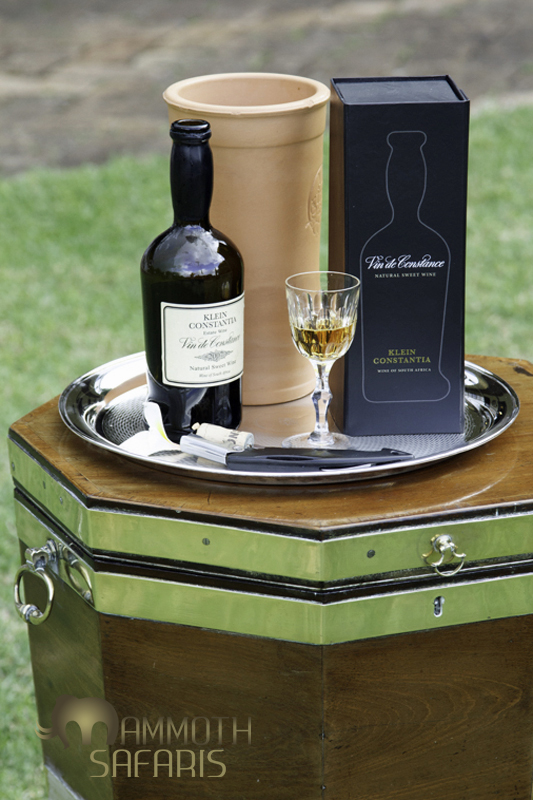
The celebrated Vin de Constance which we drank off Napoleon’s old wooden wine cooler!
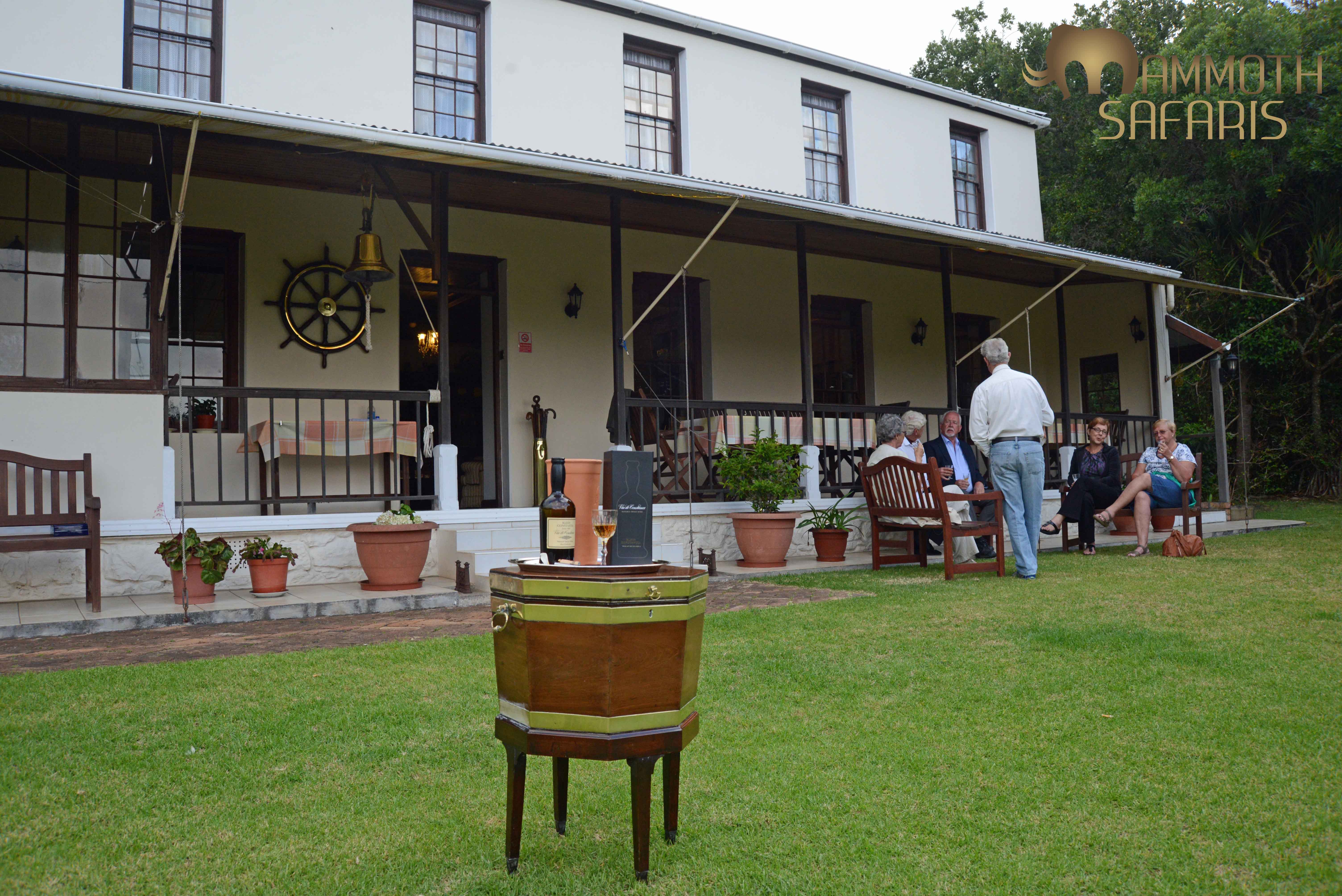
Enjoying an afternoon Vin de Constance on the front lawn of the Farm House – the finest place to stay on the island – superb food throughout and entertaining hosts
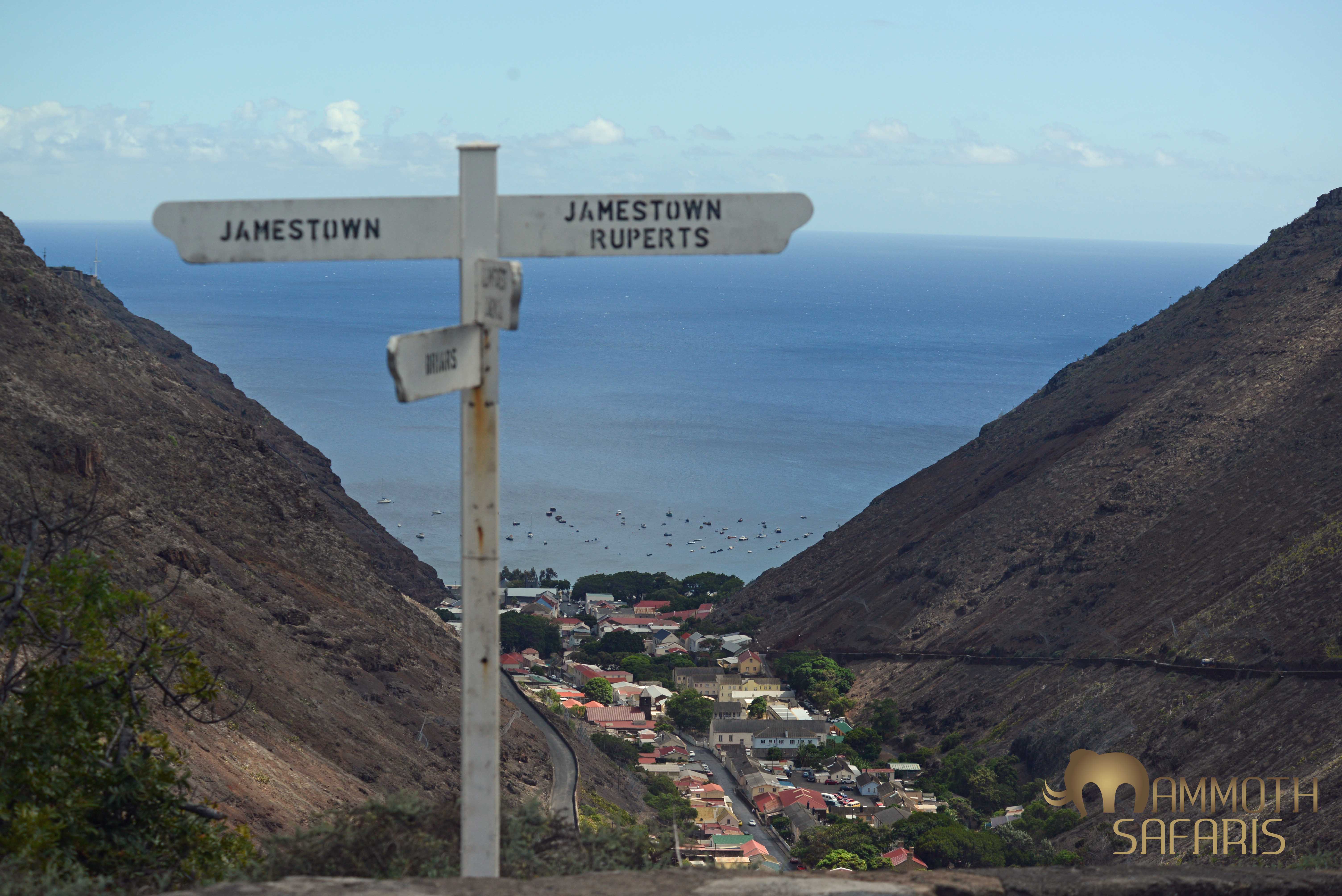
A view from the hillsides down to the ‘capital’ of Jamestown – all in the middle of the Atlantic Ocean, about 2000 kilometers from Africa!
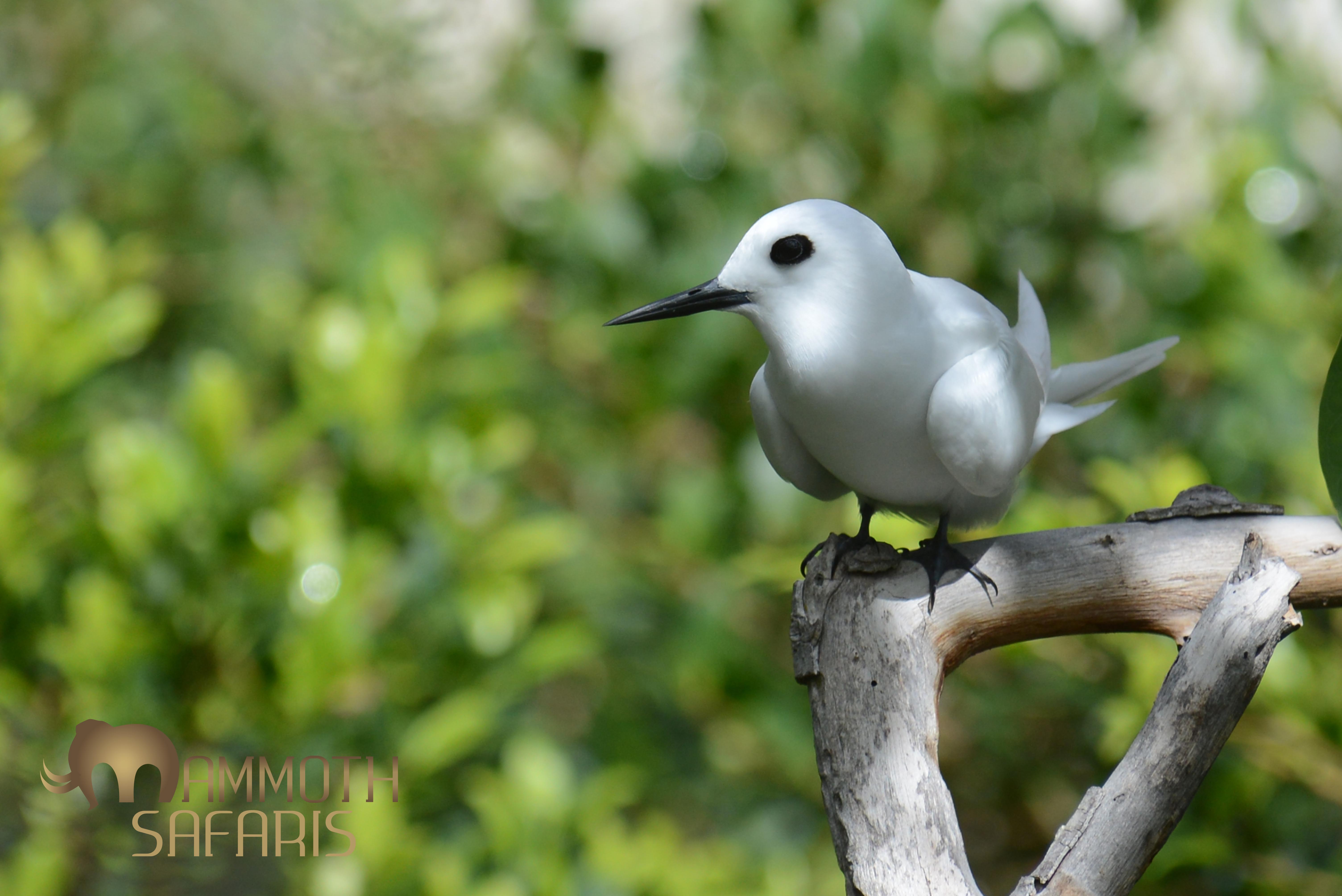
No post about St. Helena could be without one of the star avian attractions, one of my favourite fliers, the Fairy Tern
Cape Town Autumn Ocean Wildlife!!
Ocean safaris are not everyone’s cup of tea, but the waters off Cape Town are the prime place to get into it! I’ve had the privilege of getting out onto the ocean a few times in the late summer and autumn months and the photographic opportunities have been great. Pics of Great Whites, African Penguins and large game fish are not even included here! I did not get to see the famed Orcas which visit our waters, but hear they have been sighted recently, so I guess I will have to bide my time for them. The good news is that the Southern Right Whales will start arriving from Antarctica soon… (Alastair)
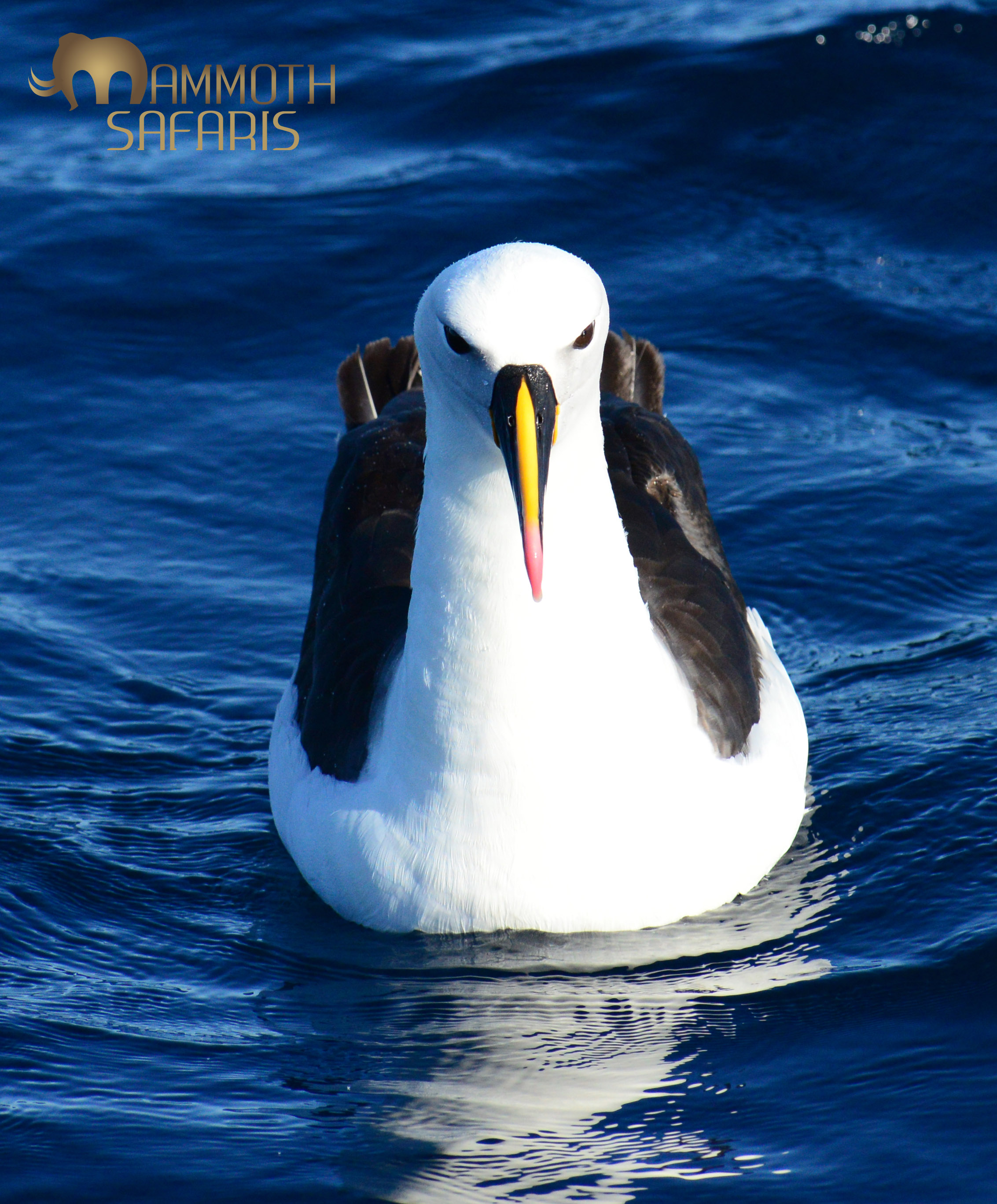
Indian Yellow-nosed Albatross is one of the small albatross, but picture-perfect! Most trips out to sea will encounter at least 2 and up to 5 species of albatross, making Cape Town a global hotspot for viewing these phenomenal fliers.
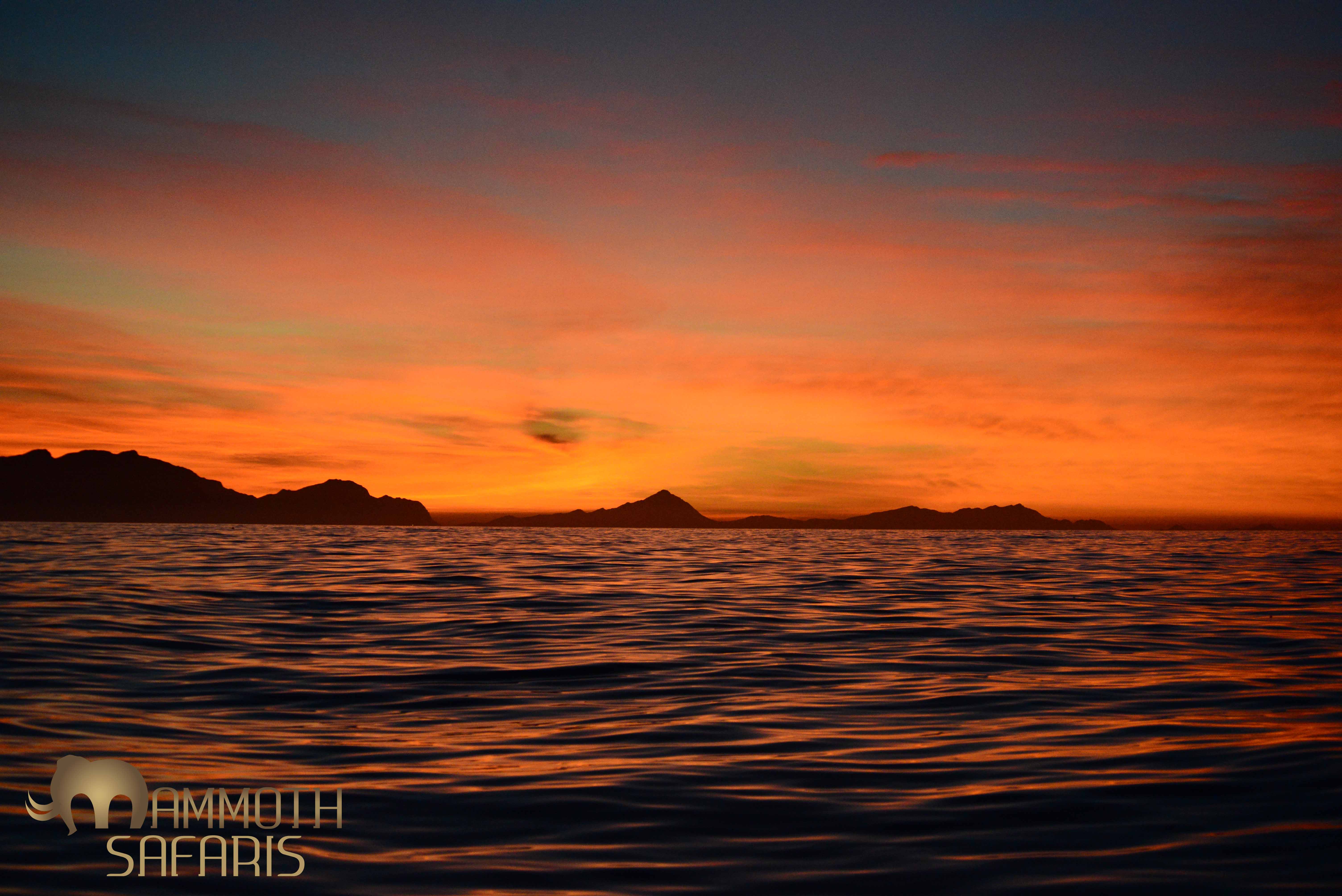
Daybreak in False Bay off Cape Town is a real treat especially when the sea is a millpond! This is the view towards the Kogelberg Biosphere Reserve as we head towards Cape Point.
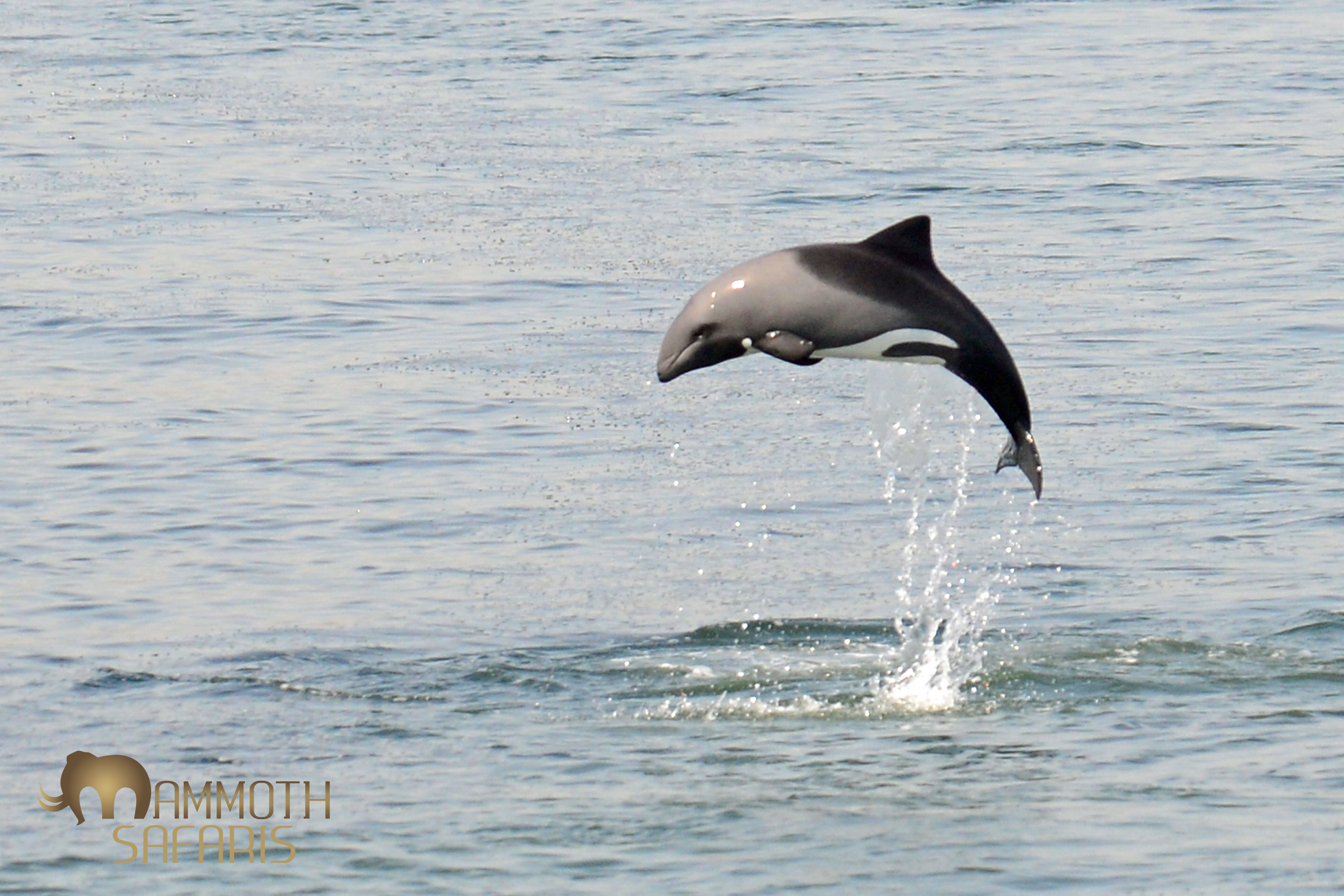
Not a sharp shot as it was far behind the boat, but a great feeling to capture this Atlantic endemic Heviside’s Dolphin, found only along the coast from Cape Town to Namibia.
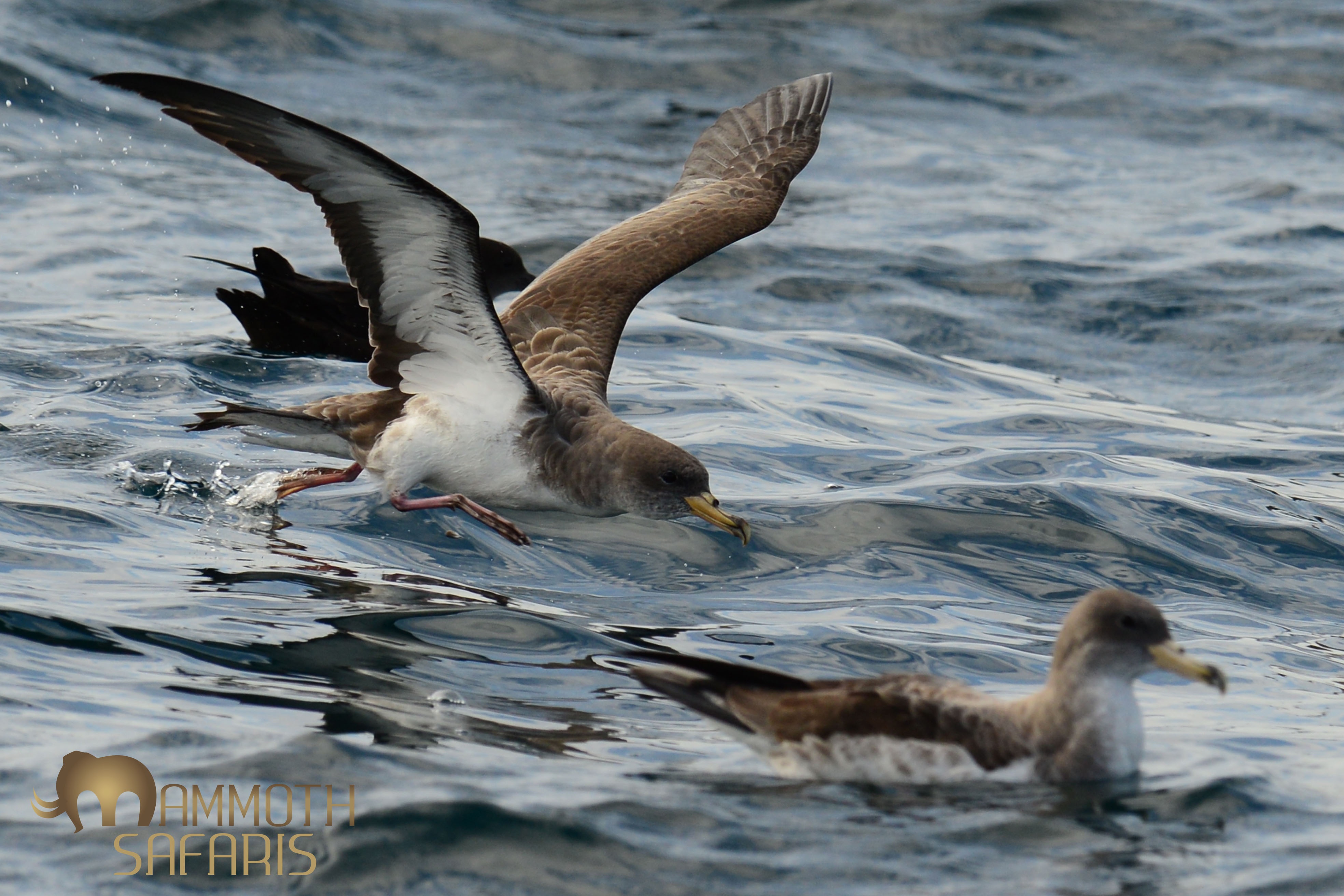
These Cory’s Shearwaters spend the summer in our waters off Cape Town and can be seen singly or in flocks of over 100 birds. Amazingly they are rather long-lived birds going for well over 30 years!
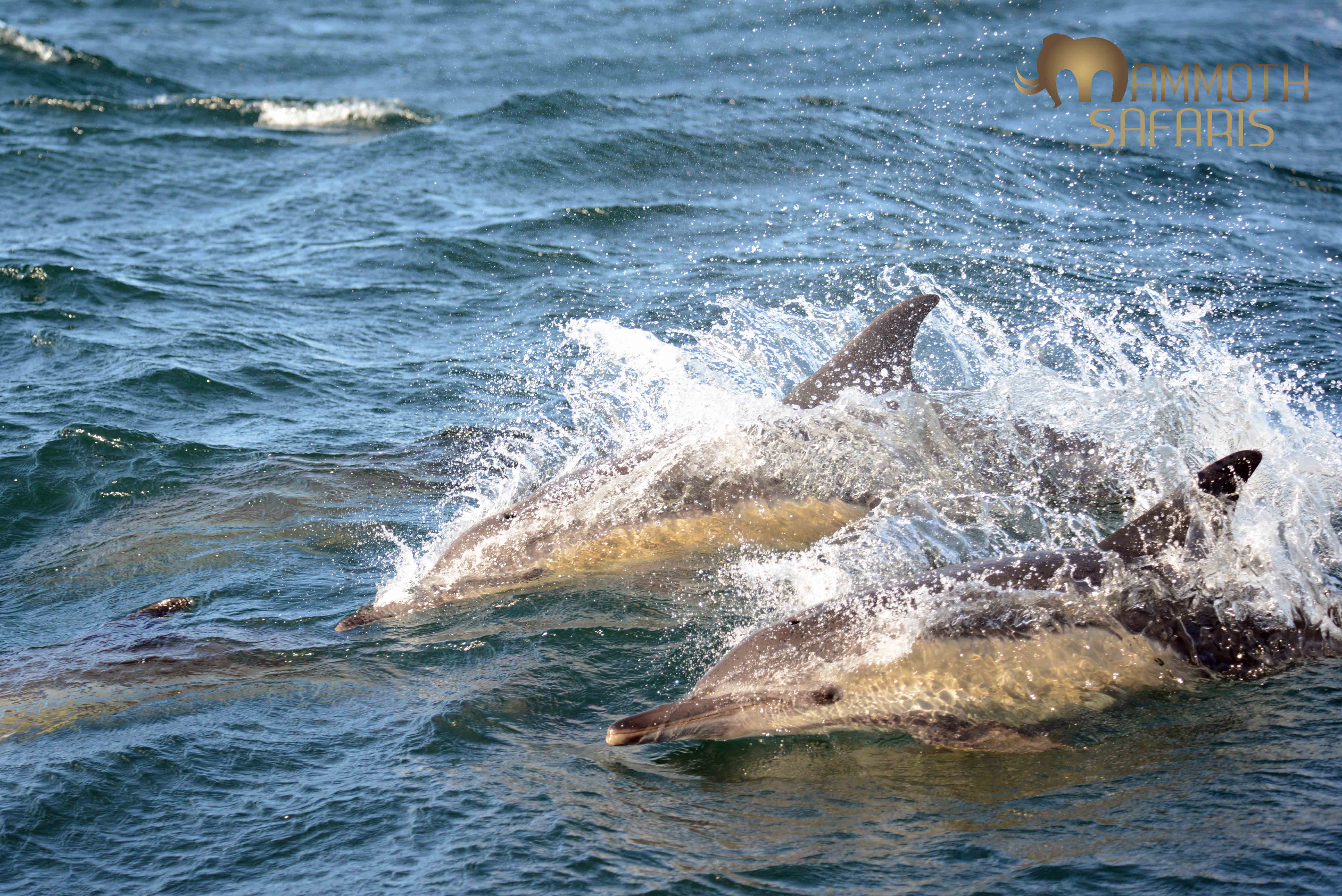
This is one of my favourite subjects, especially at this time of year when the Long-beaked Common Dolphins aggregate into megapods of over 1000 animals – the water literally boils…and the fish don’t easily escape!

The usual challenge when photographing this Cape Gannet is to snap the moment it enters the water at break-neck speed. This time the light was great and I snapped it as it gathered momentum to fly off. The water and its eye match nicely!
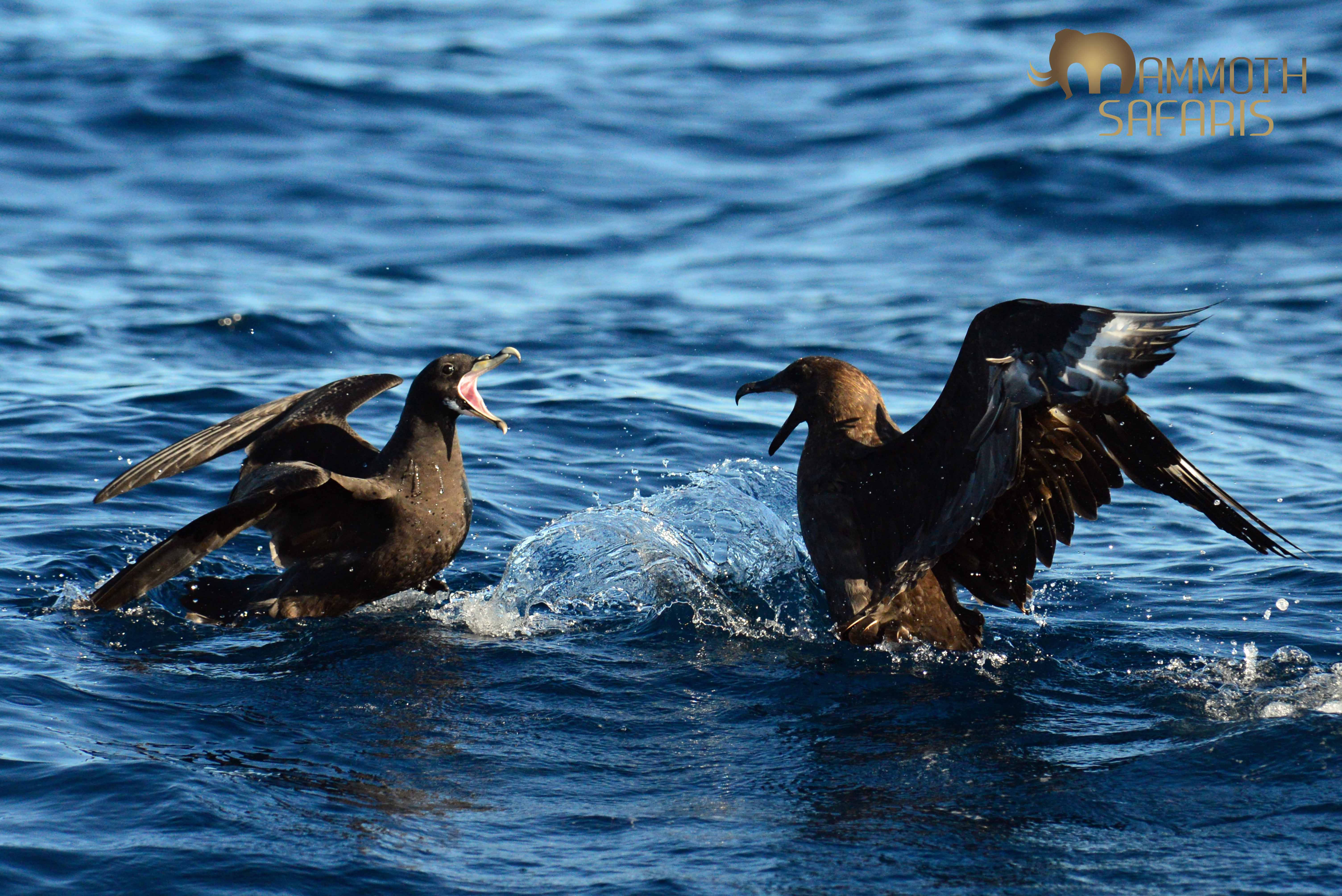
This shot is almost guaranteed on most days at sea as these are two of the more common species – the larger Skua pirates from the White-chinned Petrel.
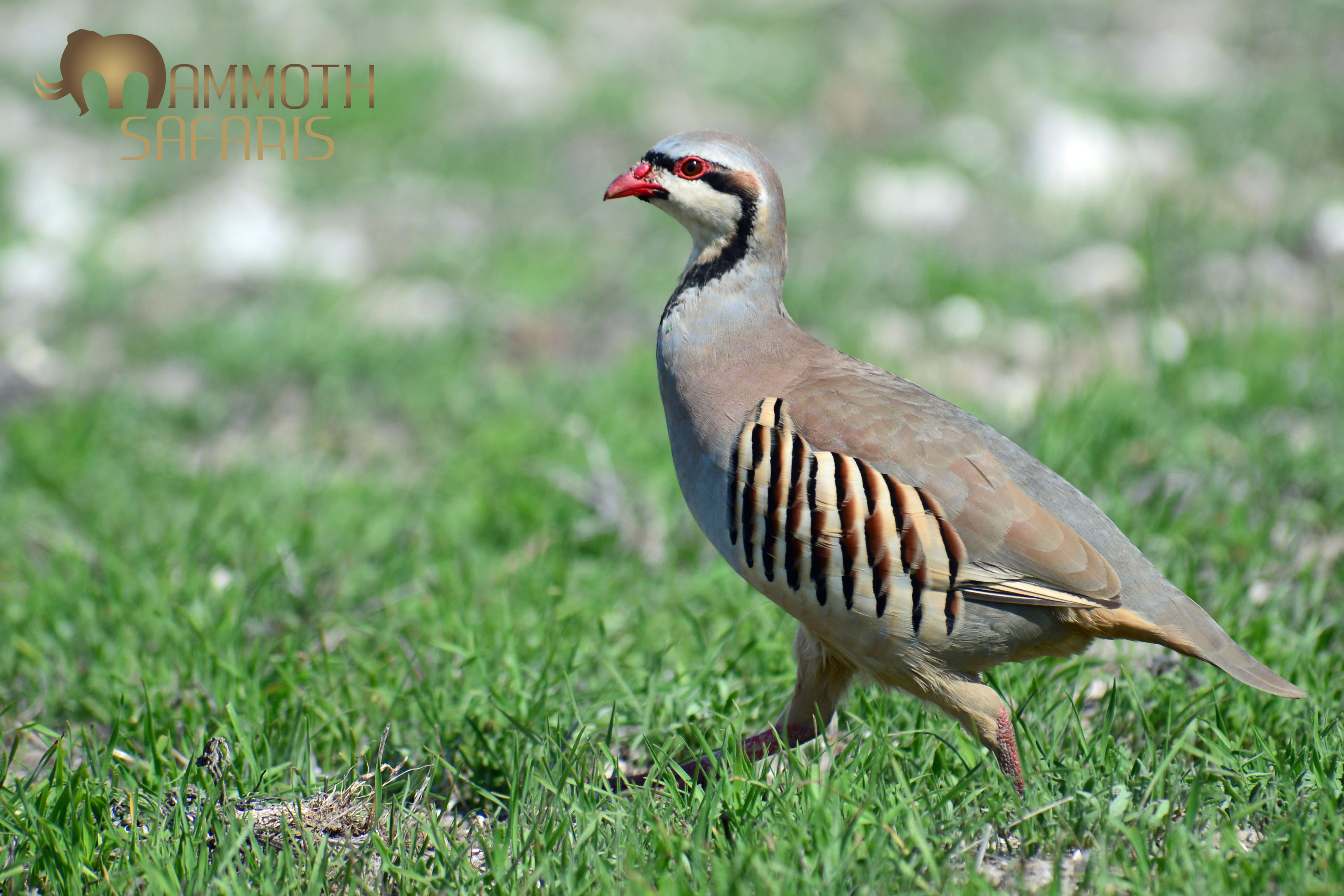
Not a seabird is it? This handsome bird can only be seen on Robben Island where it was introduced in 1964 by customs officials. A far cry from its typical rocky mountain habitat over much of Eurasia, but they seem to be doing well.
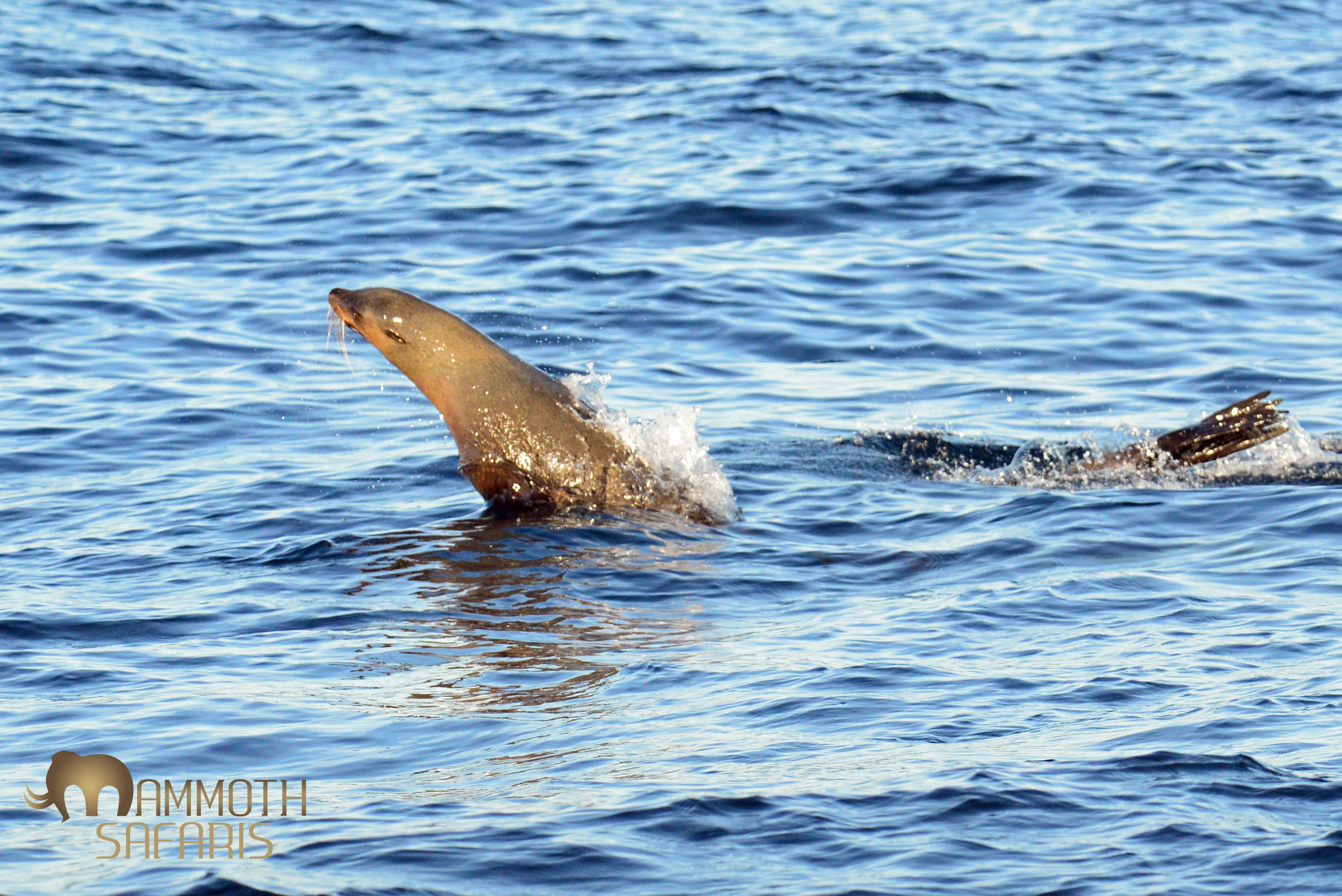
These are great predators in their own right, but off Cape Town the South African Fur Seals regularly fall prey to the Great White Sharks.
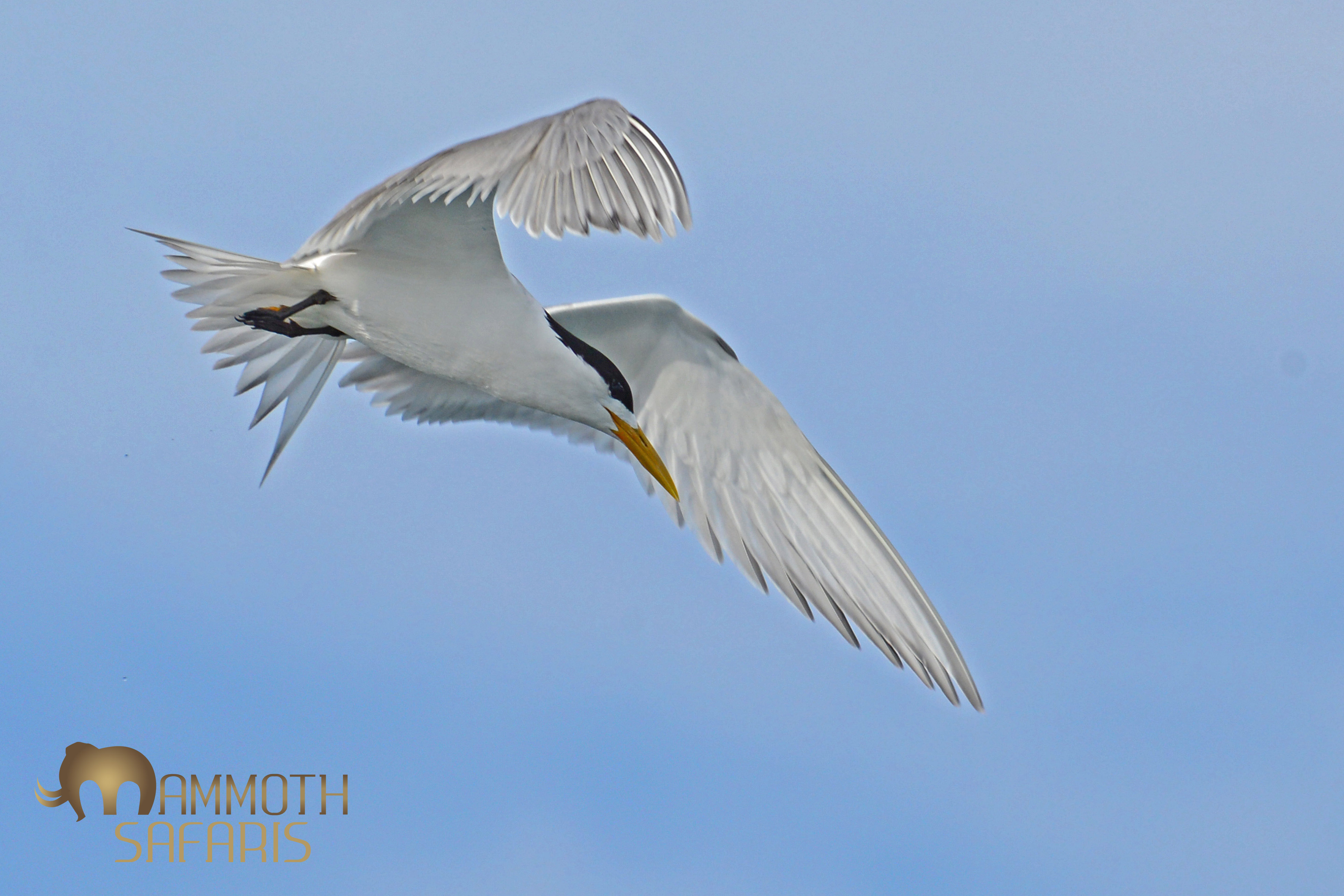
This stunning Swift Tern was hunting with great success in amongst the 10,000 odd cormorants we had all around the boat.
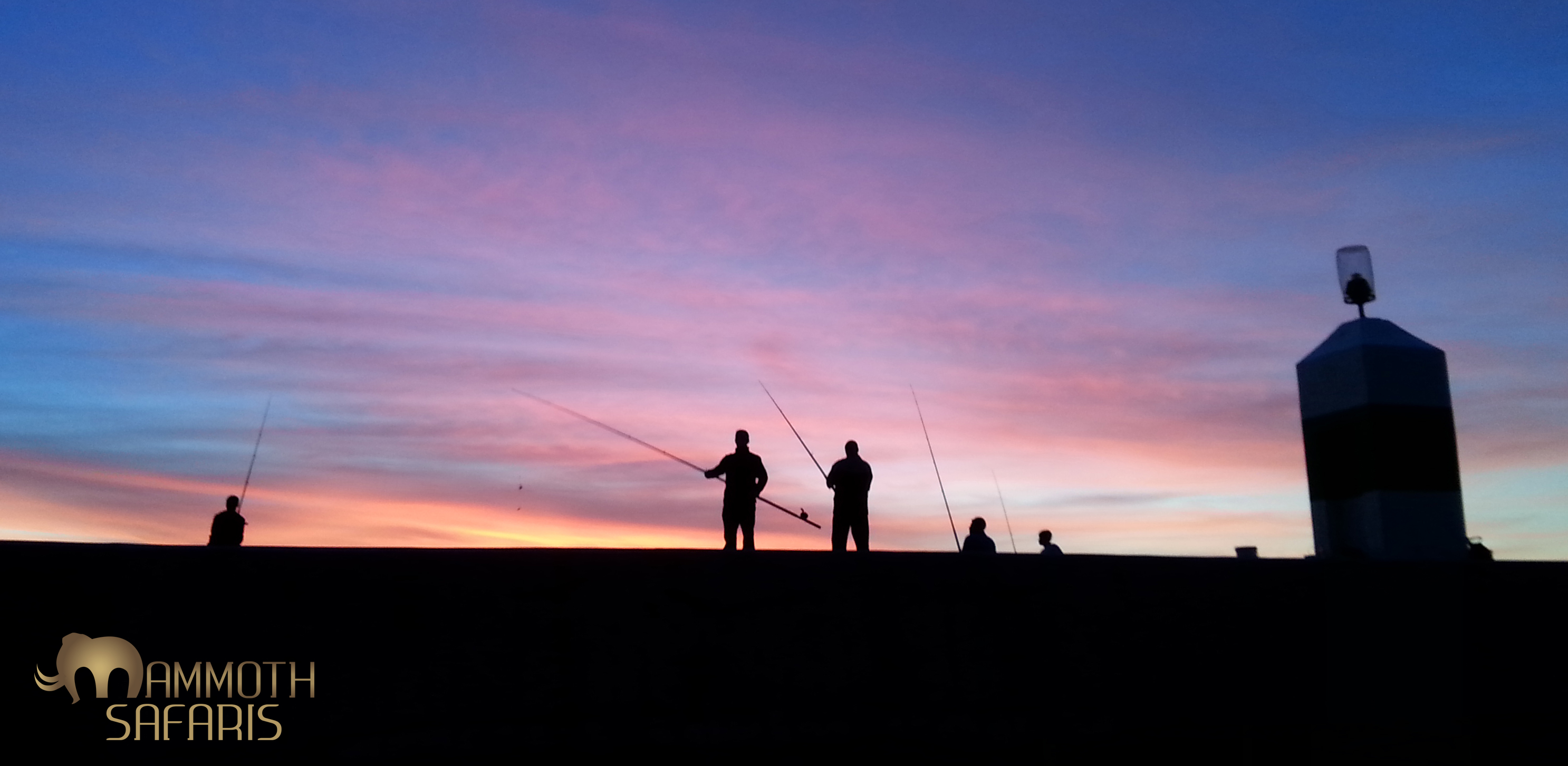
I enjoyed snapping these fisherman as we entered Gordon’s Bay harbour
Rufiji Rhythmns
Seeing one Africa’s great rivers in flood is always special. To be honest I prefer the Rufiji when she is lazy and her sandbanks exposed, but the sound of her unstinting pulse in the green season helps me to sleep well after a long, hot day in the bush. Dawn brings the nasal baa of Trumpeter Hornbills heading to the figs trees, shrieking parrots, hyrax and manic Yellow Baboons. The hippos have started giving birth as the long rains approach and with all we are seeing here, I can confirm that Selous is the finest place to see bee-eaters anywhere in Africa. Despite rampant poaching in this vast game reserve, there are daily sightings of small herds, perhaps more skittish than I remember in the past though. The summer birding has been fantastic too, so even though I know the roads are always rough in Selous and it is almost always hot, I will be back soon – mainly because I enjoy walking in this magnificent wilderness! (Alastair)
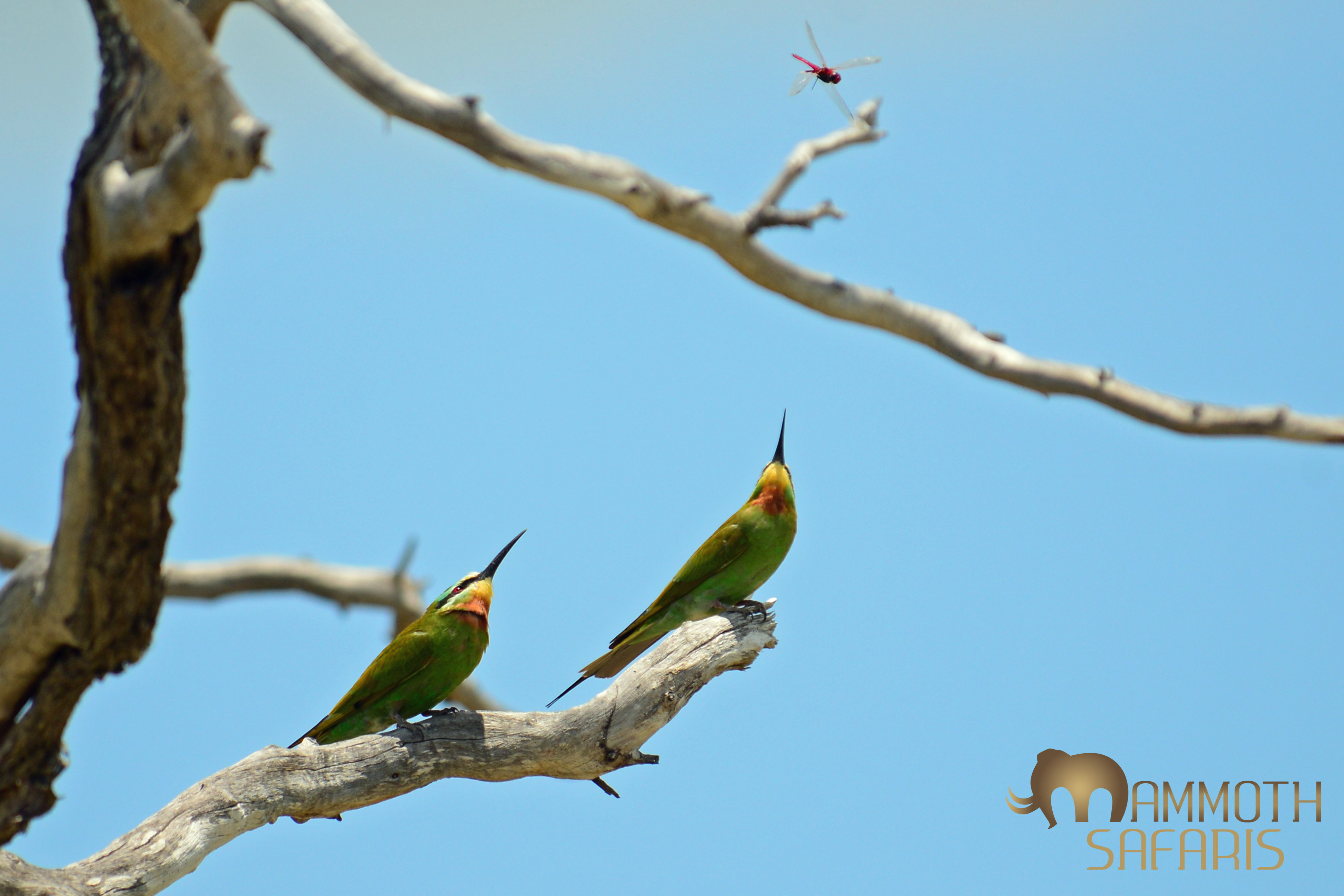
This was a lucky escape for the dragonfly that flew right past a tree loaded with Blue-cheeked Bee-eaters – this is like running past a family of bears whilst covered in honey!
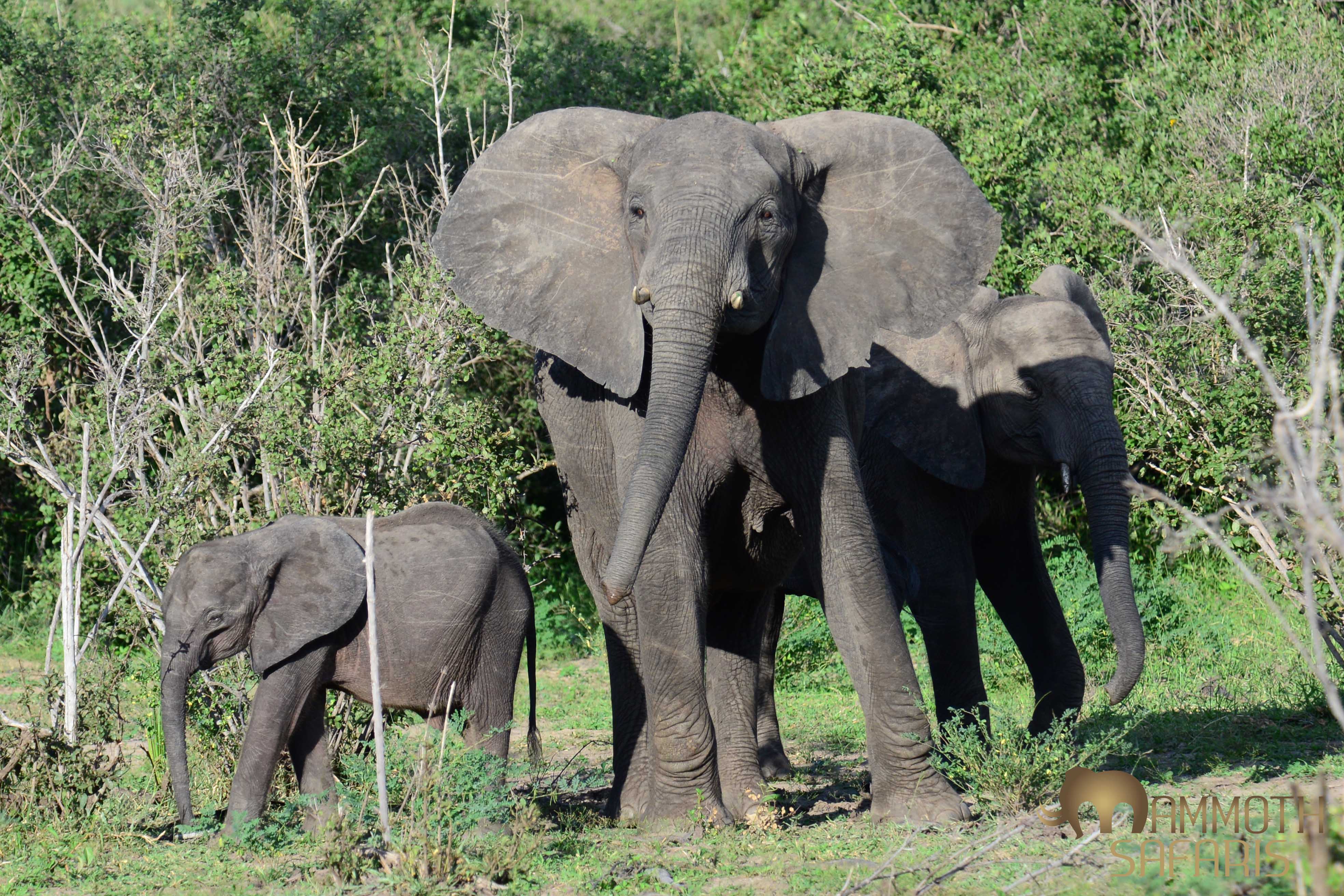
Despite the fact that this vast game reserve has again become a killing field for these magnificent animals, we did manage daily sightings of small family groups in the miombo and along the river.
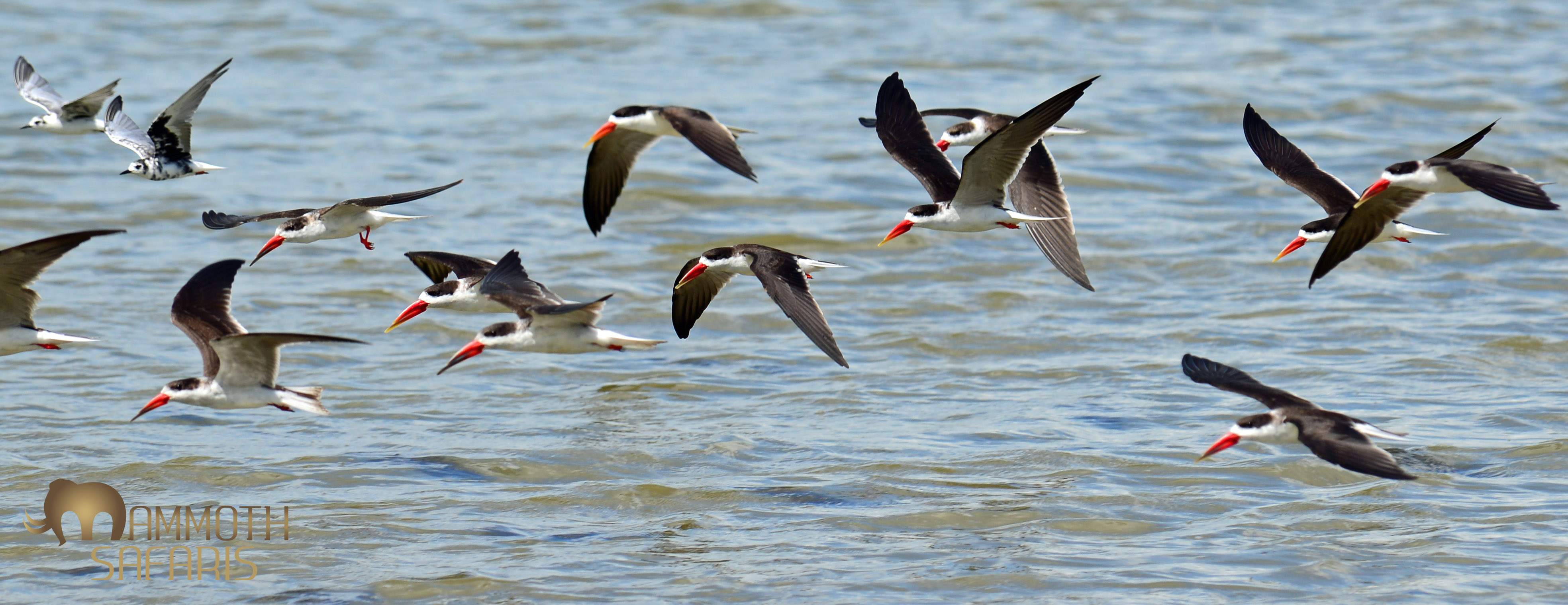
These African Skimmers represent wild Africa to me as they only survive where the natural seasonal flooding on large rivers is still in tact. To watch them feed with beaks cutting the water is special.
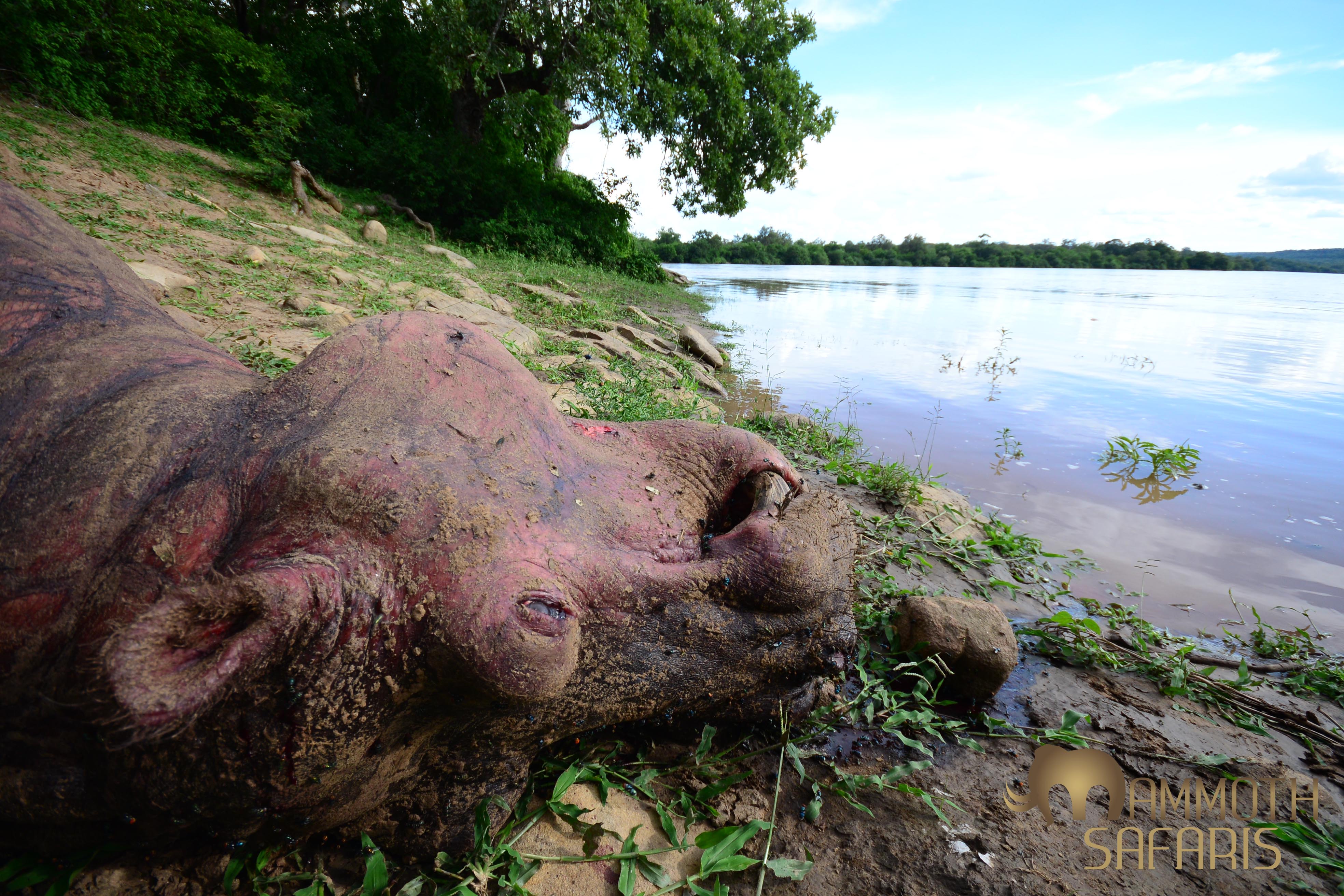
We spotted a dead hippo on the banks of the Rufiji. As we approached a large bull snorted and made a bow-wave away from us. The scene of destruction of the vegetation told the story of how the two must have fought through the night – and now it is a case of waiting to see if the crocs, hyenas or the vultures get here first…
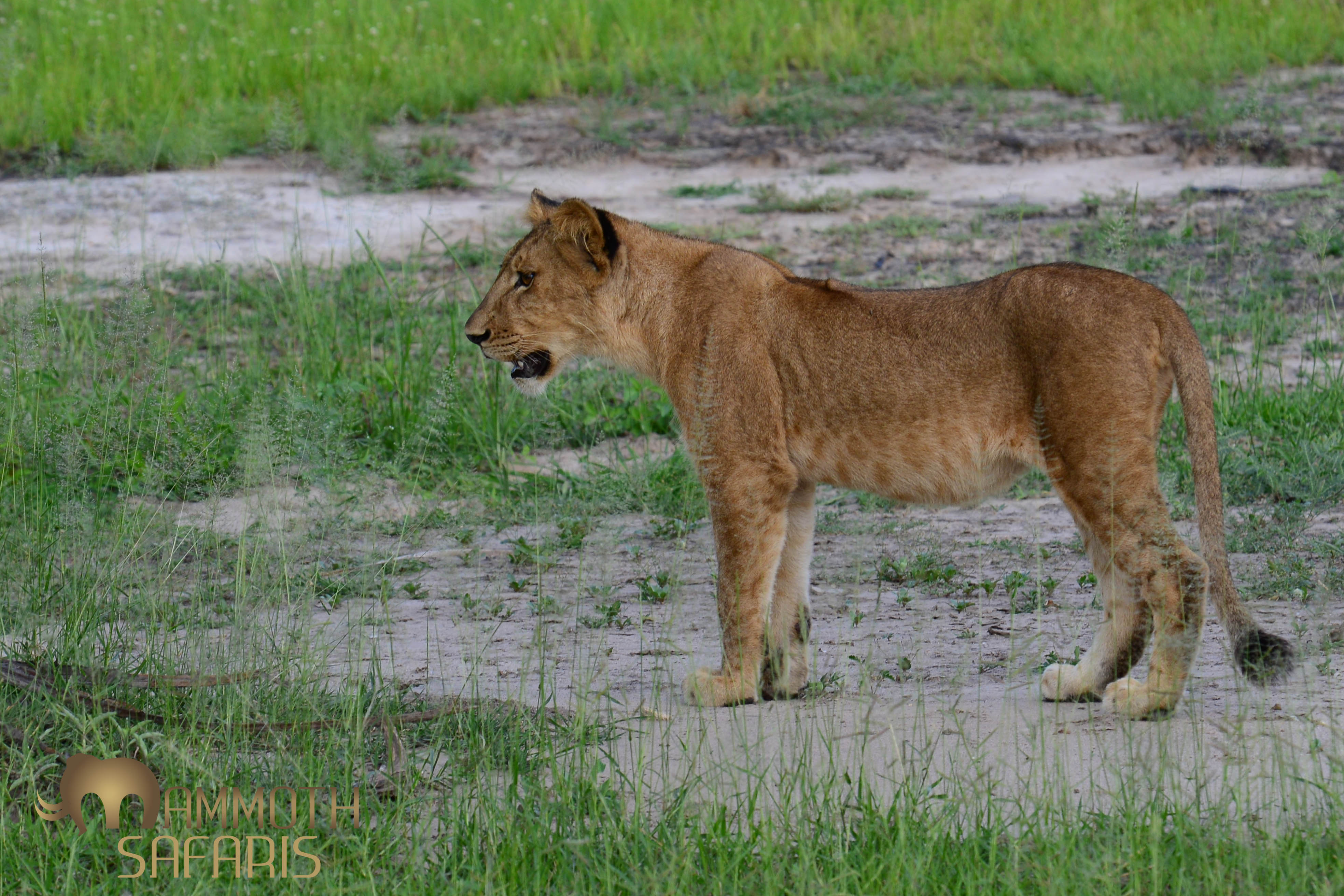
This is the only decent shot I got of a small pride that we found devouring a carcass inside a palm thicket. The best part was listening to the one female growl at the young cubs as they braved her fearsome noises as they edged in to claim a small bit of the kill.

In the end I decided the backlit shot portrayed this superb little bee-eater best. Although colourful it spends much of its time hunting from dense riverine bush. This is one of 8 bee-eater species we saw!!!

Not a great shot this, but we saw numerous of these migratory Eurasian Honey-buzzards in Selous’ woodlands and this one actually dropped to the ground and ripped out a wasp nest to eat – textbook!
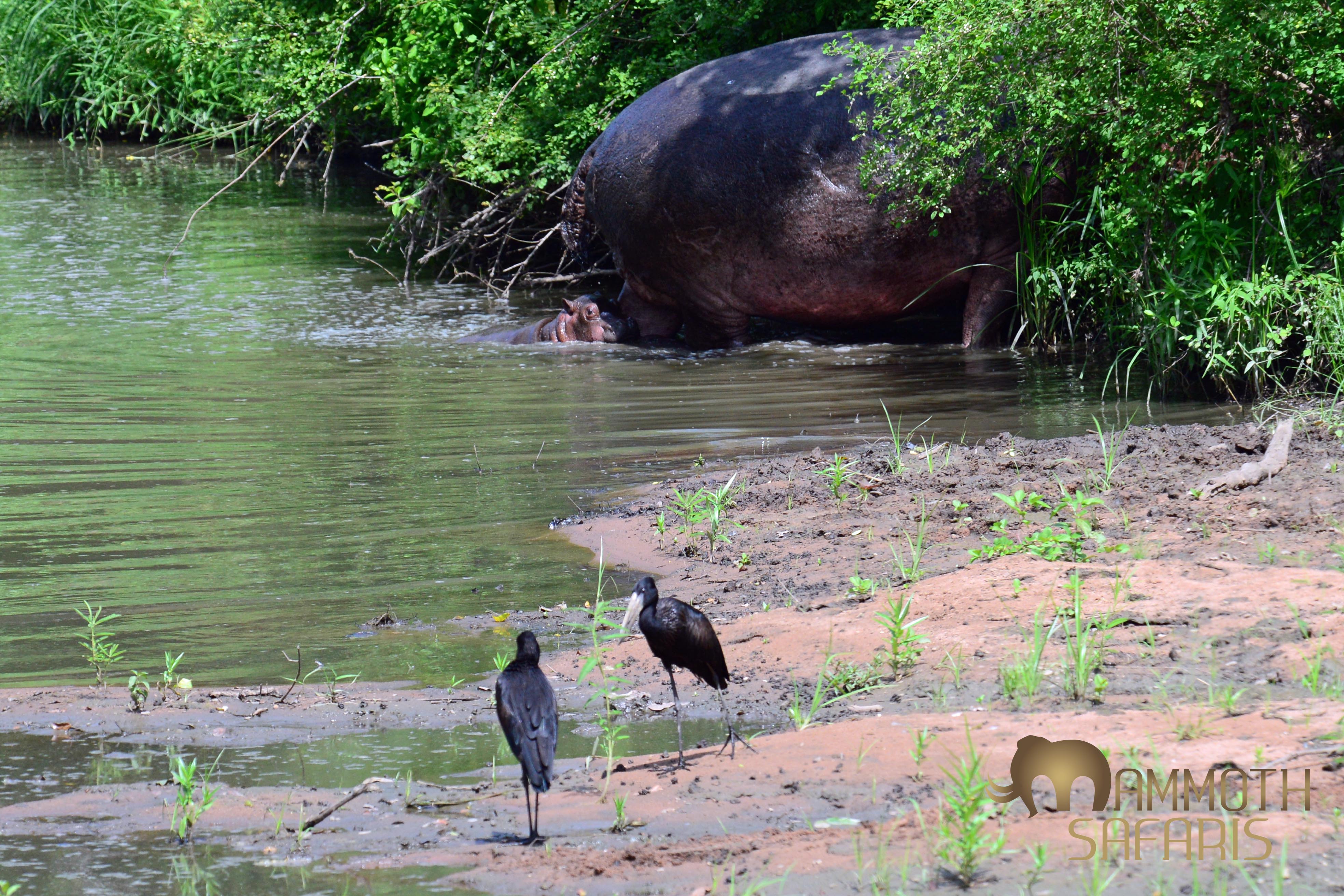
One one of our many good walks, we had been sitting quietly watching the Openbills when the rocks moved and we got a glimpse of this tiny hippo behind its mother. This is no doubt the first of many that will be born along the mighty Rufiji during the rainy season.

There is no better way to end a day in the bush than cruising the river – sundowners on the move as the Osprey head to bed and the hippos start making their way out to forage.
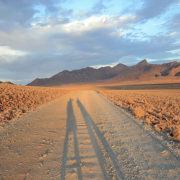
Desert Dreaming in Sossusvlei
I have just spent a few phenomenal days at &Beyond Sossusvlei Desert Lodge. Although I have been to the desert a good few times before this was a first stay – and it was all I had hoped and more. Staff service and romantic accommodation aside (all excellent), it was the space, serenity and detail in the desert that was so inspiring. Spending time with resident astronomer Terry was great as we had close up views of Jupiter and its moons amongst others. My camera was on fire most of the time as there are just so many opportunities and angles to explore. Thanks to the team there for an amazing stay. (Alastair)
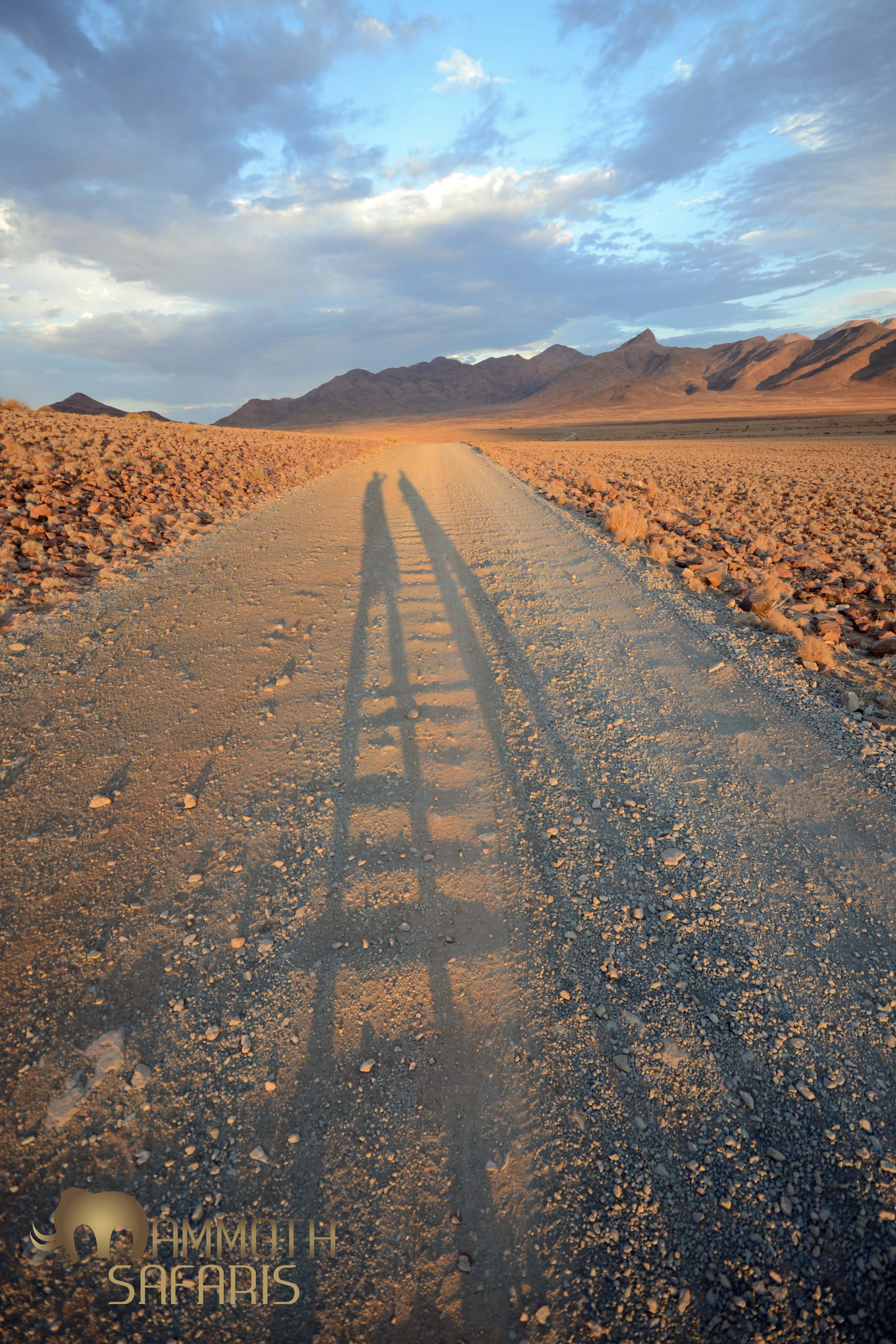
The Namib Rand Reserve is a photographer’s paradise – colour, texture, space, contrasts and more…
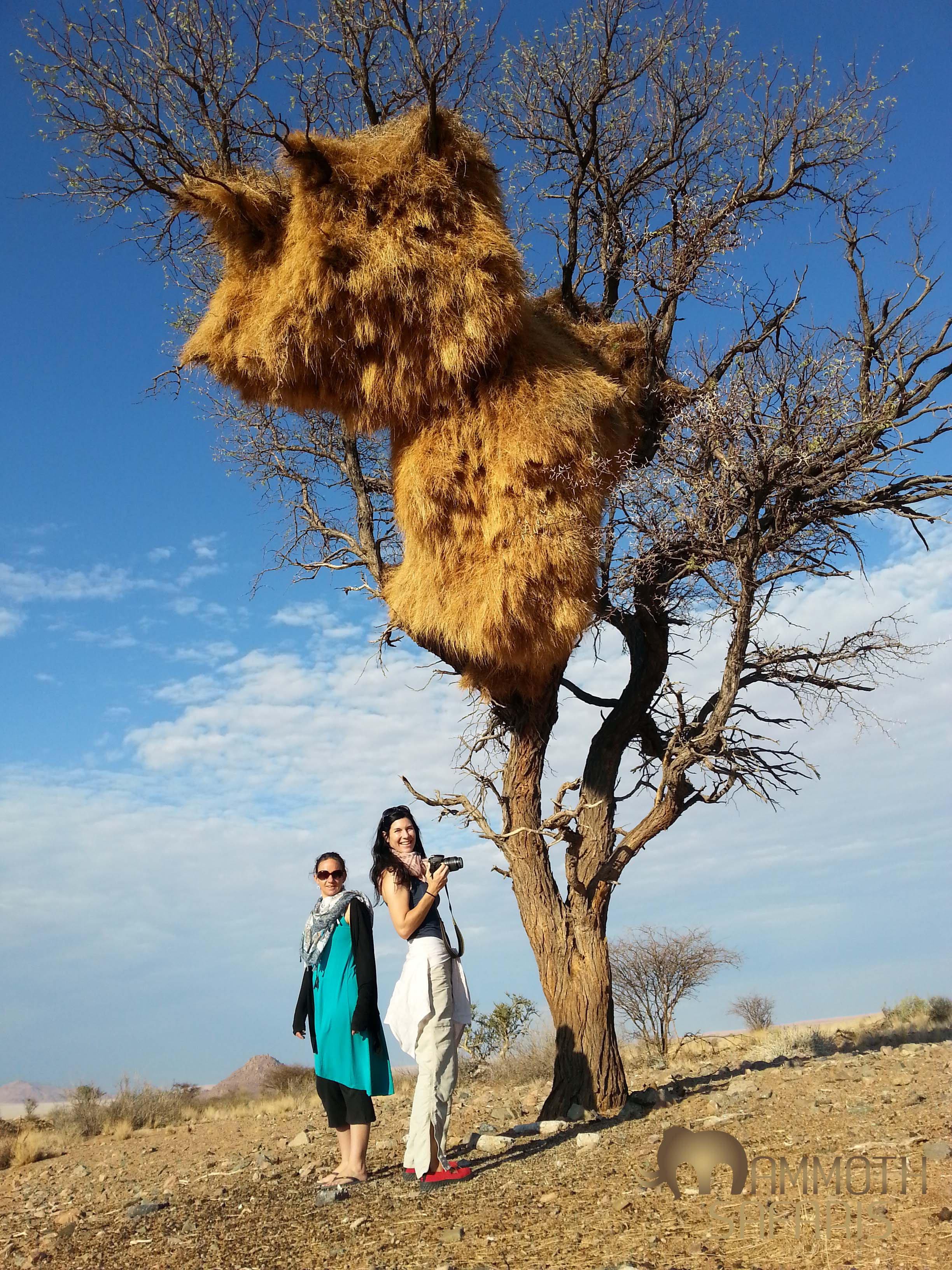
Two incredible women posing beneath the impressive Sociable Weaver nest – purposefully offbeat to get them all in!
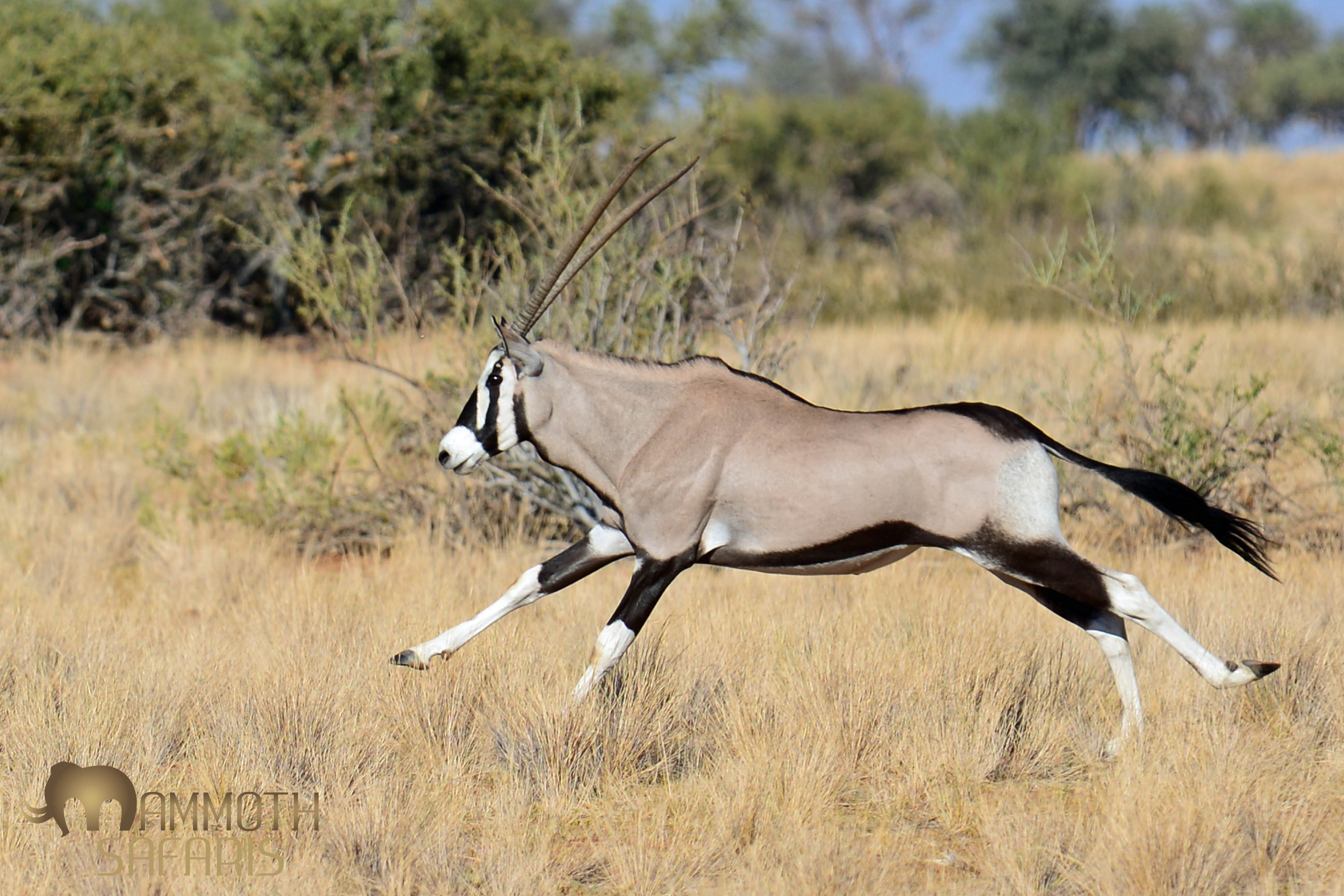
If there is one wildlife reason that stands alone for visiting Sossusvlei and the Namib Rand, it is the Gemsbok What a magnificent antelope!
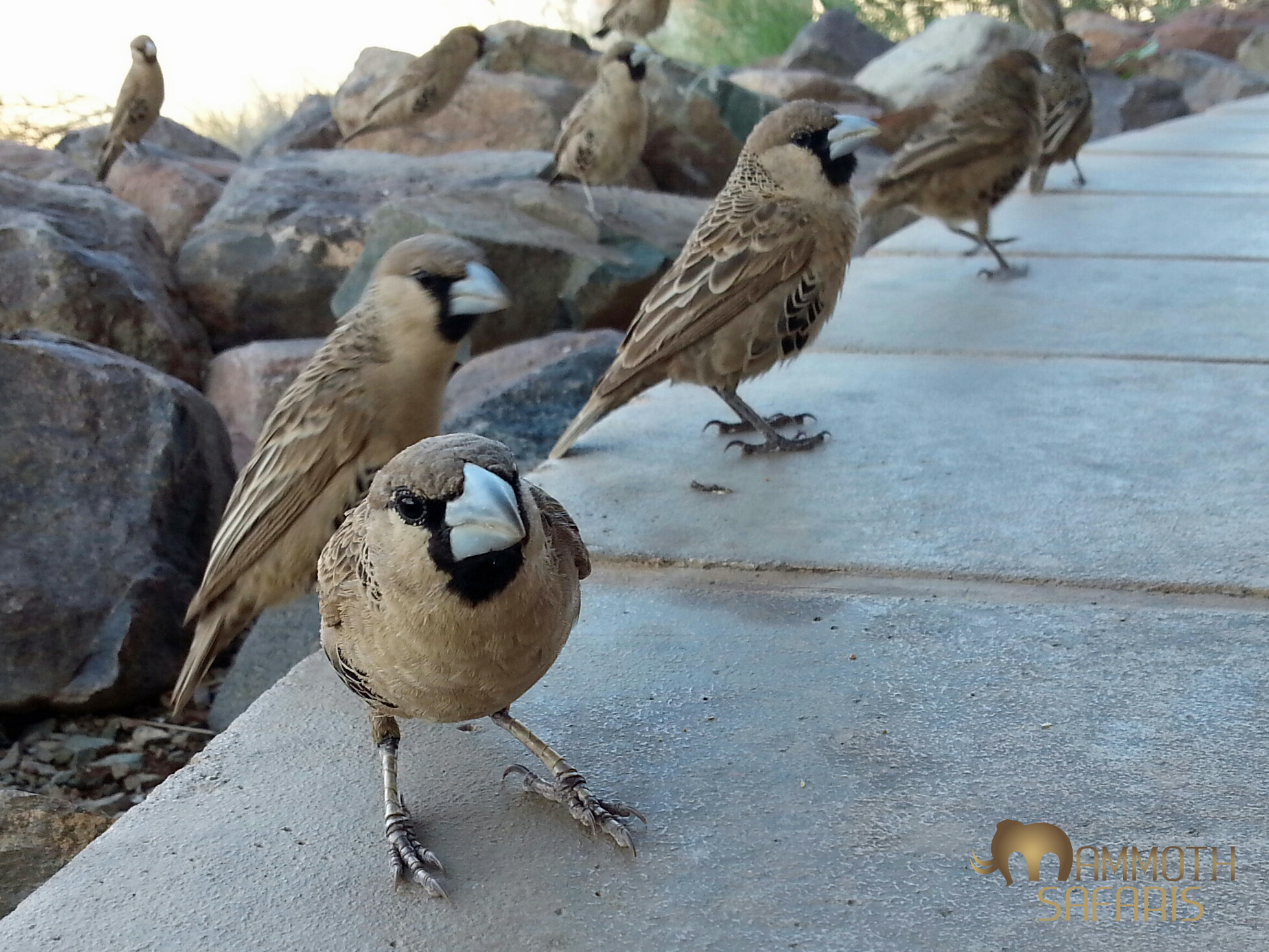
I have always maintained that every lodge needs some wildlife in camp to make it come alive – these Sociable Weavers came in from their giant nests everyday ‘to entertain us’!
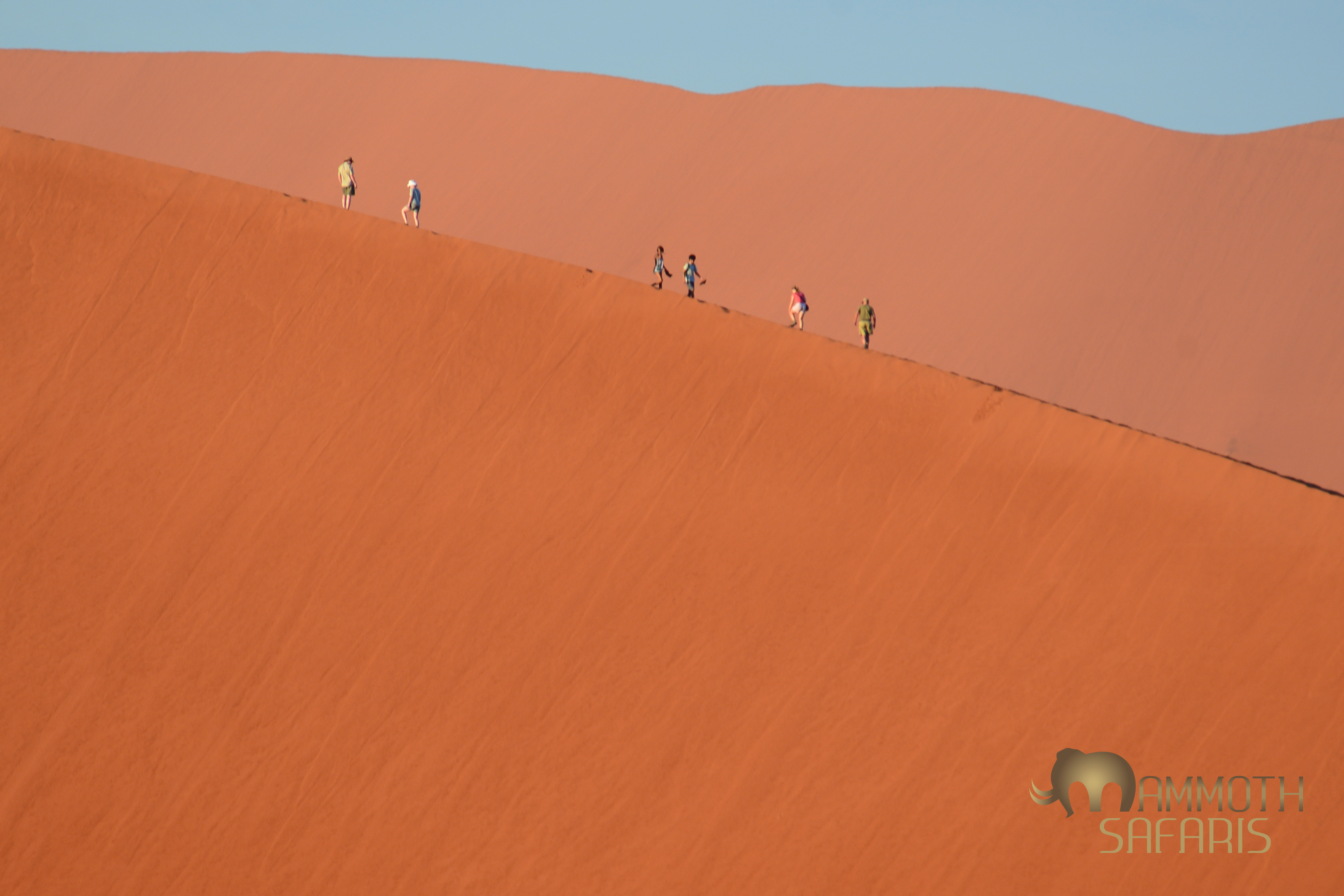
It requires a little sweat, but the views from the dune tops and the freedom to get down how you please are both worth it!

One doesn’t normally associate dragonflies with deserts – I found this huge Orange Emperor dominating a rock pool at a remote waterfall on the edge of the desert.
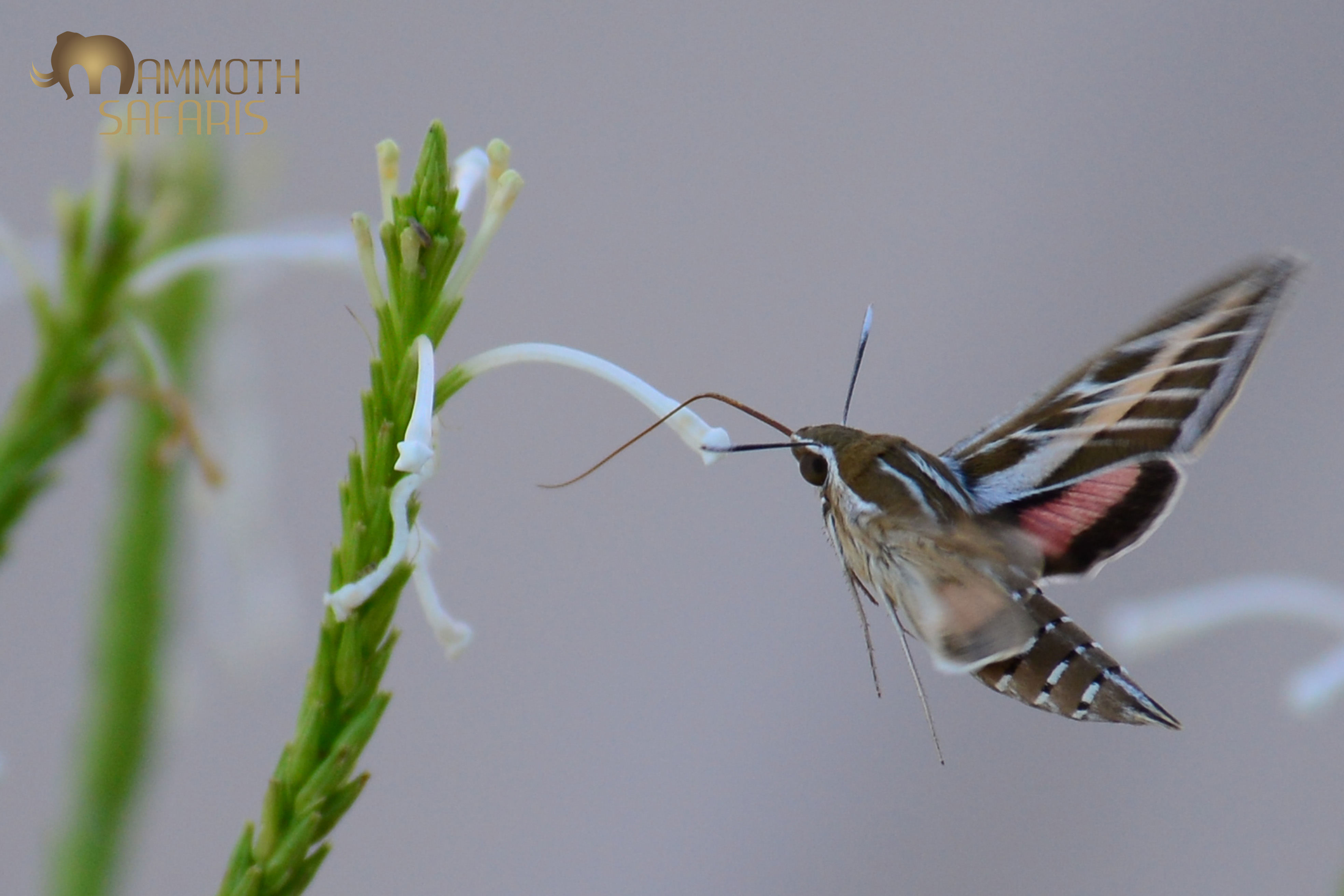
Within 2 days of the rains, the insects emerged – none smarter than this busy pink-winged hawk moth which fed and pollinated the dainty white flowers in front of the bar!
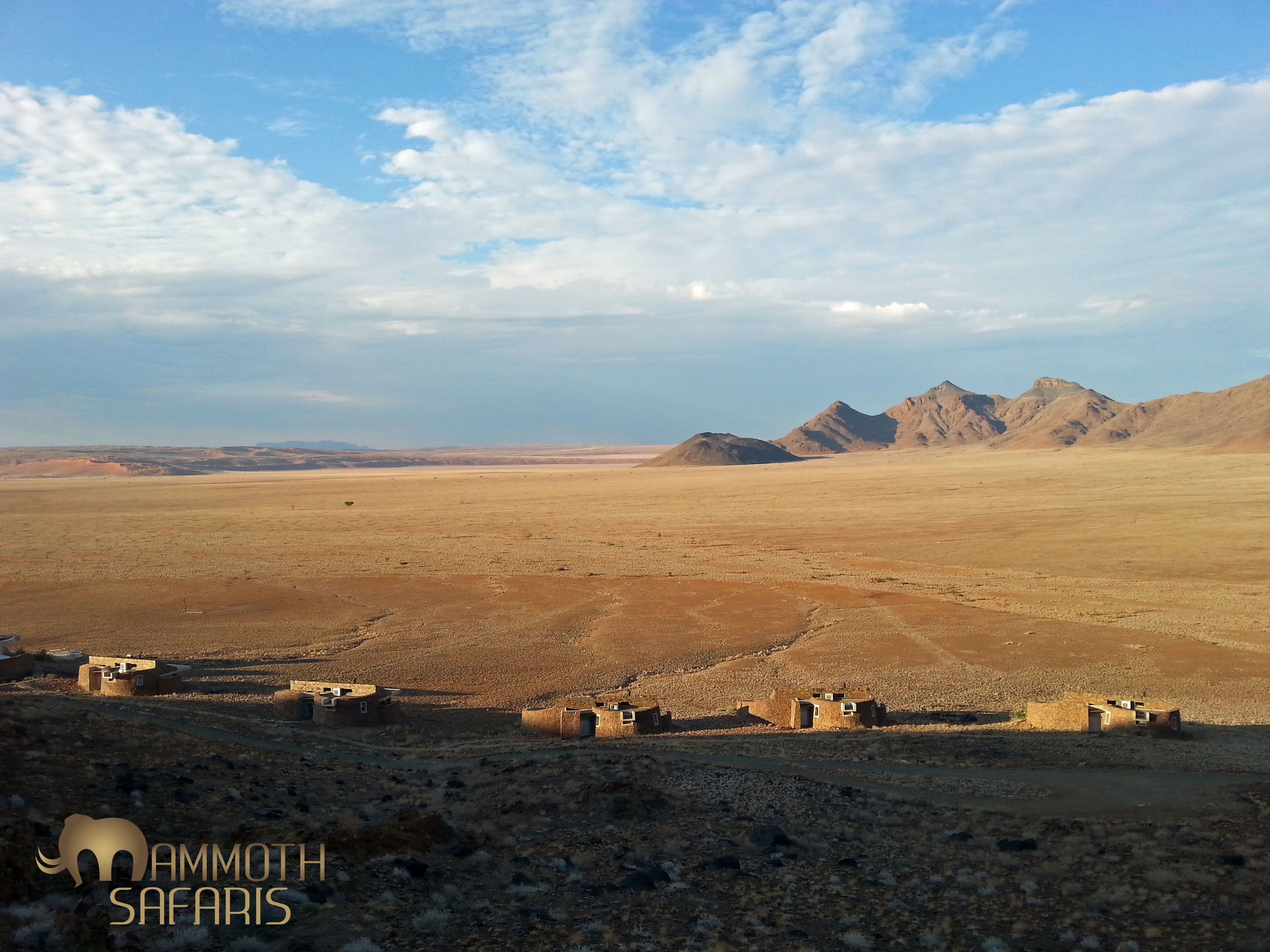
I snapped this shot from behind the lodge one morning when the air was clear after rain the previous day.
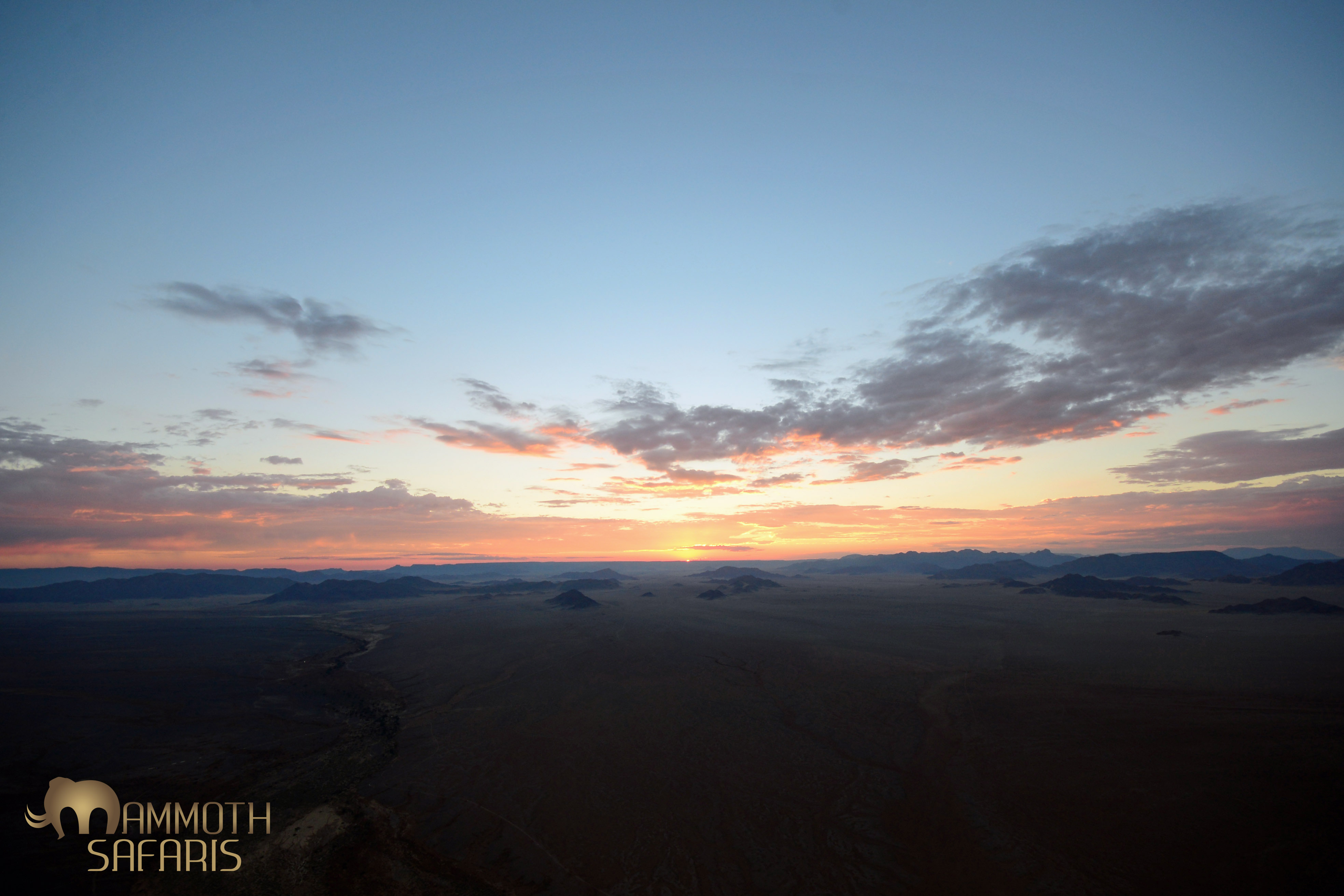
It is hard to put into words the silent, weightless feeling of rising in a hot air balloon in the desert dawn. Namib Sky were fantastic every step of the way.
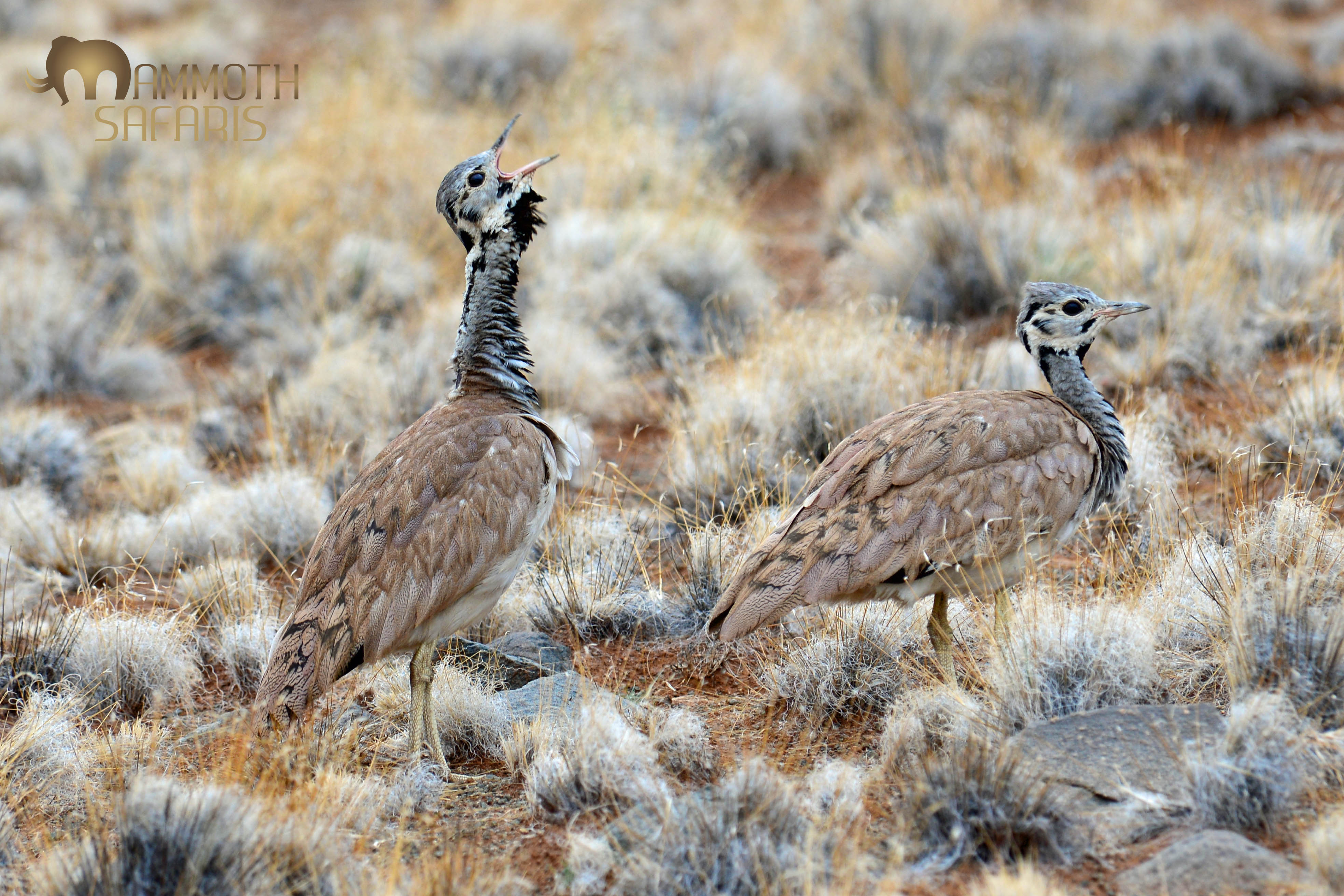
One of the distinctive sounds of the desert is the croaking of Korhaans – we were treated to these two males as well as a female not far from the lodge one afternoon.
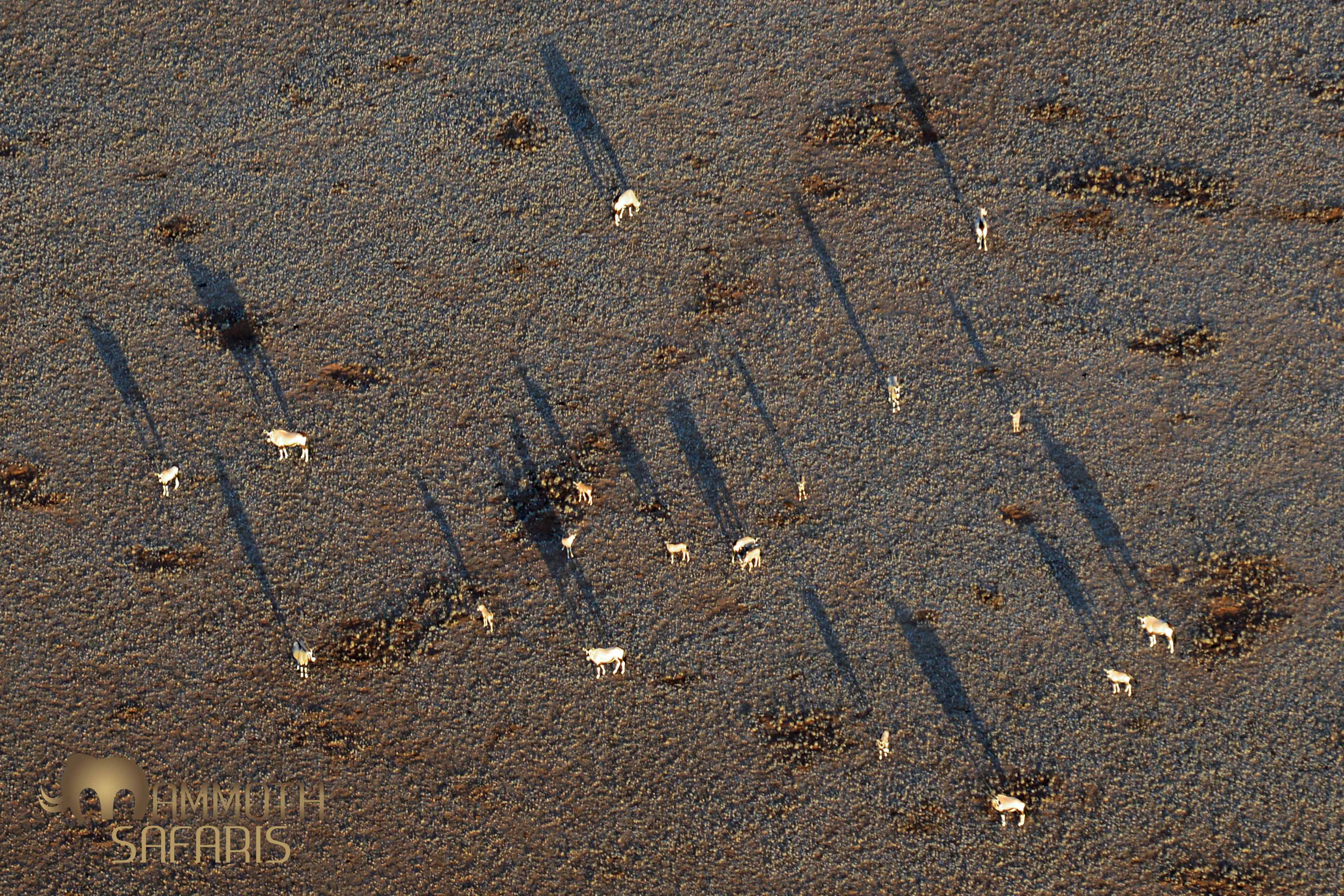
The morning shadows created a surreal scene wth Gemsbok and Ostrich below.
Singita Lebombo turns it on…
I had a brilliant week at Singita Lebombo – far from the madding crowds as they say and with lots to see. On the first afternoon we had a Honey Badger approach us on a bush walk as we headed to a rocky view point. The following evening it was lions, leopard, African Civet and serval. The birding was superb with loads of cuckoos, nest-building weavers, Burnt-necked Eremomelas at a nest (look that up!) and the arrival of the Amur Falcons all the way from their journey across the Indian Ocean and down the east side of Africa. We also got see the gradual demolition of a giraffe carcass from the lions to hyenas to vultures and beetles. It had been some time since I last really sat watching and hearing hippos for extended periods of time and this was probably the highlight of the trip. The diversity of this landscape and the chance to really explore makes this one of my favourite destinations. (Alastair)
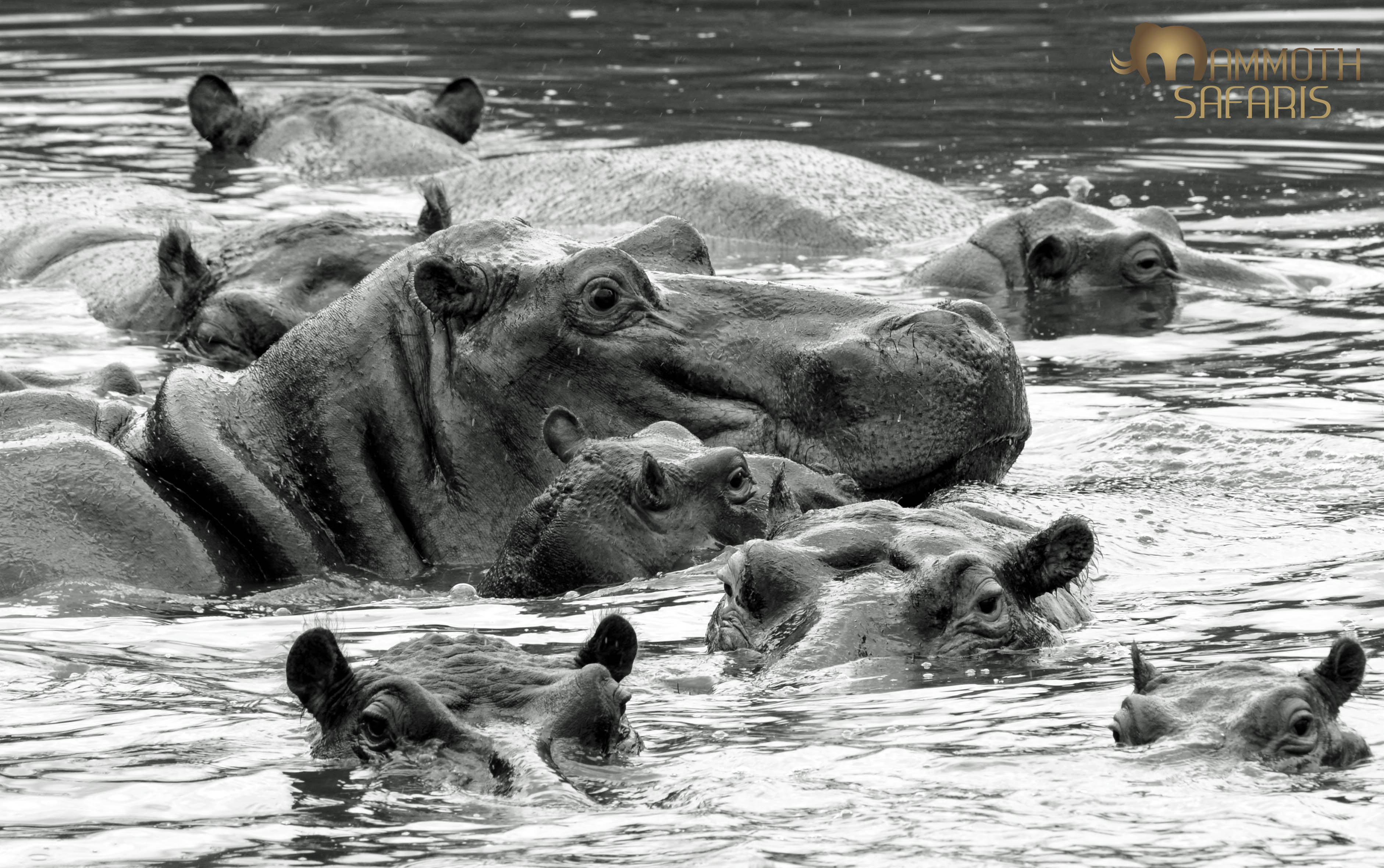
There are superb hippo viewing opportunities by vehicle and on foot along the Nwanetsi River
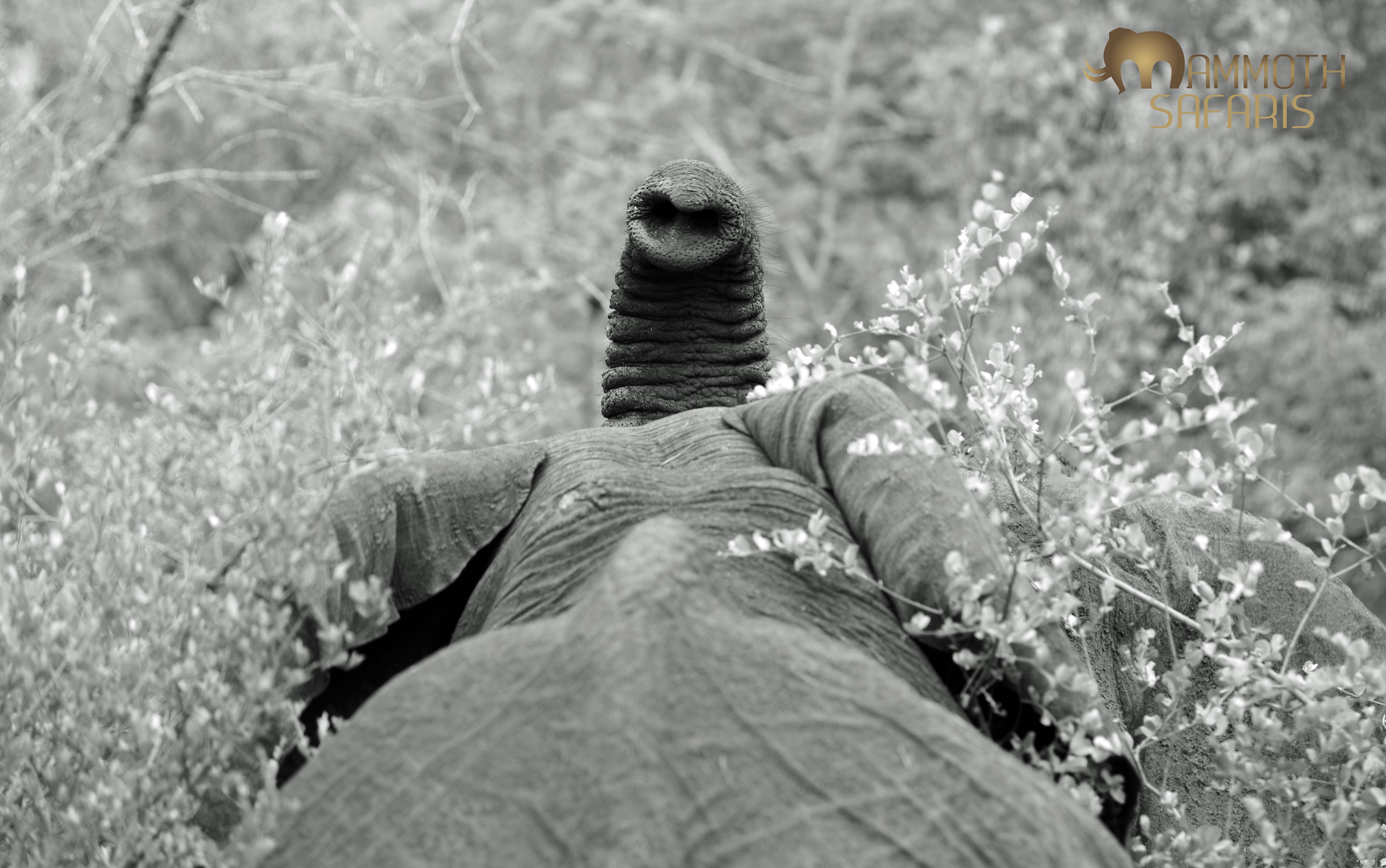
This is an elephant’s way of saying “I am watching you!”
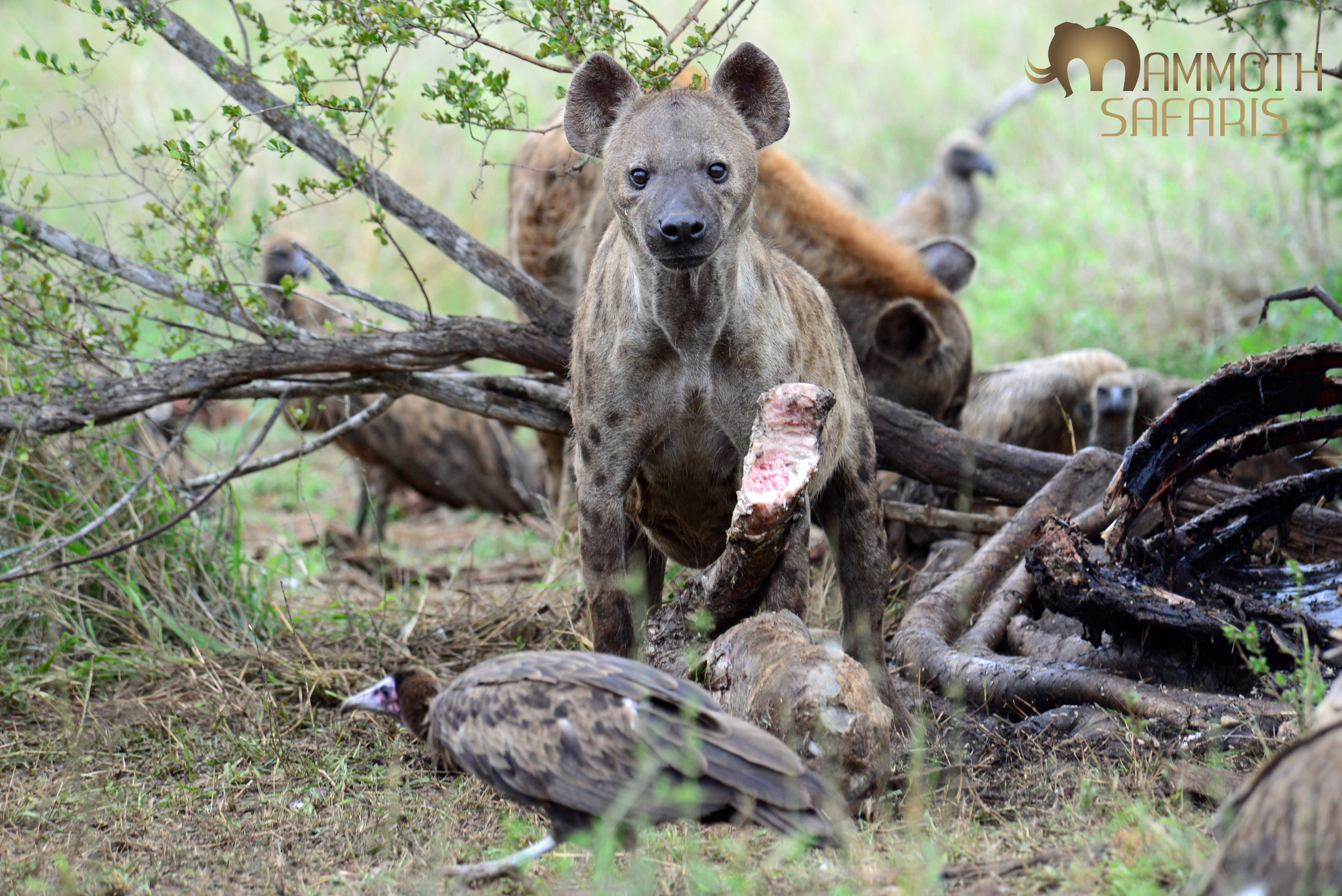
We sat for ages watching the hyenas devour the giraffe bone by bone – the vultures just waited for marrow to shoot out as they fed.
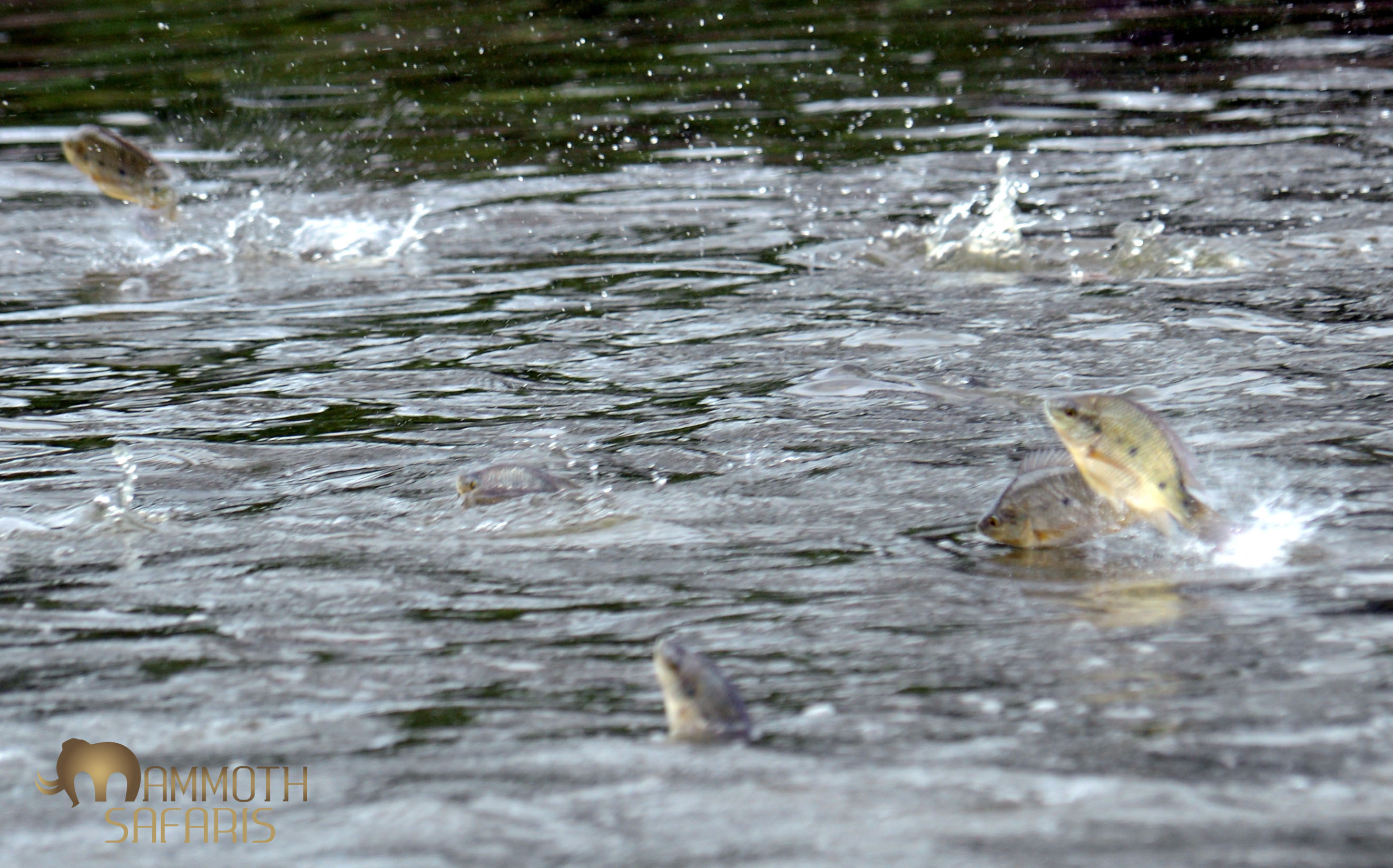
I simply could not get decent photos of these fish as they fled the hunting crocodile.
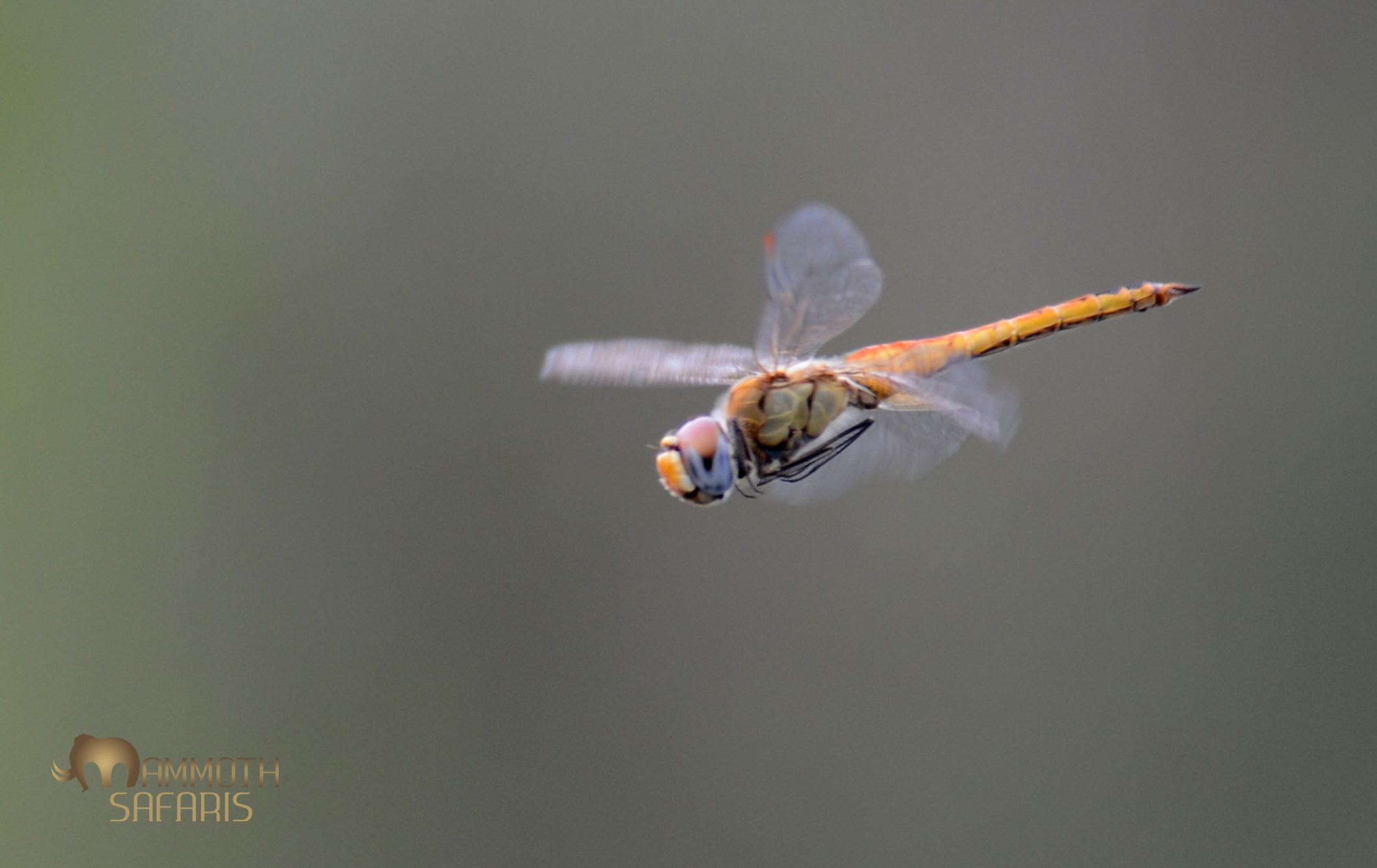
We had photographed a good number down at the river, but this Globe Skimmer was hovering around the Land Rover as if we were an elephant flushing insects!
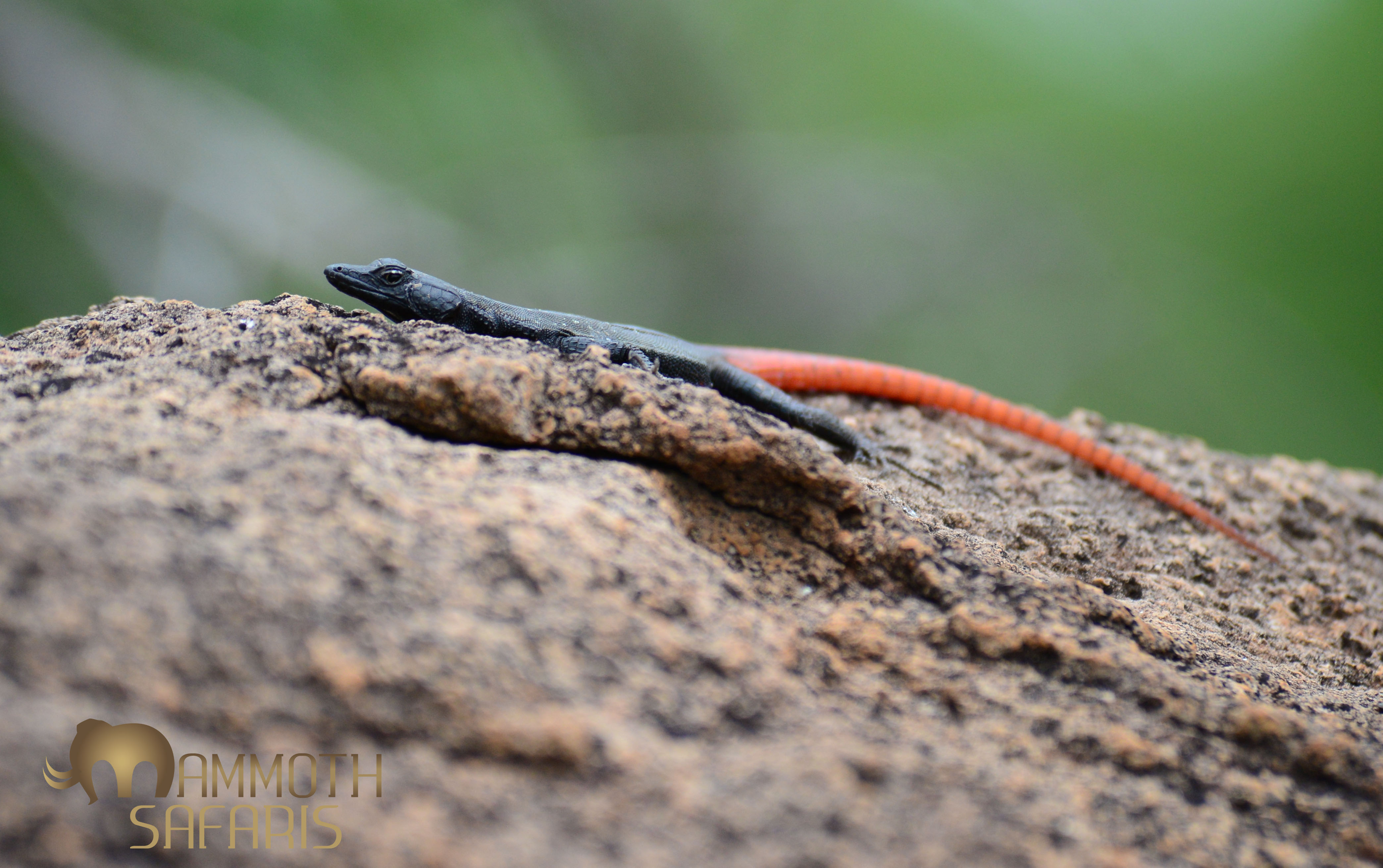
The fantastic geology in this part of the world is complemented by an array of attractive lizards like this Flat Lizard species.
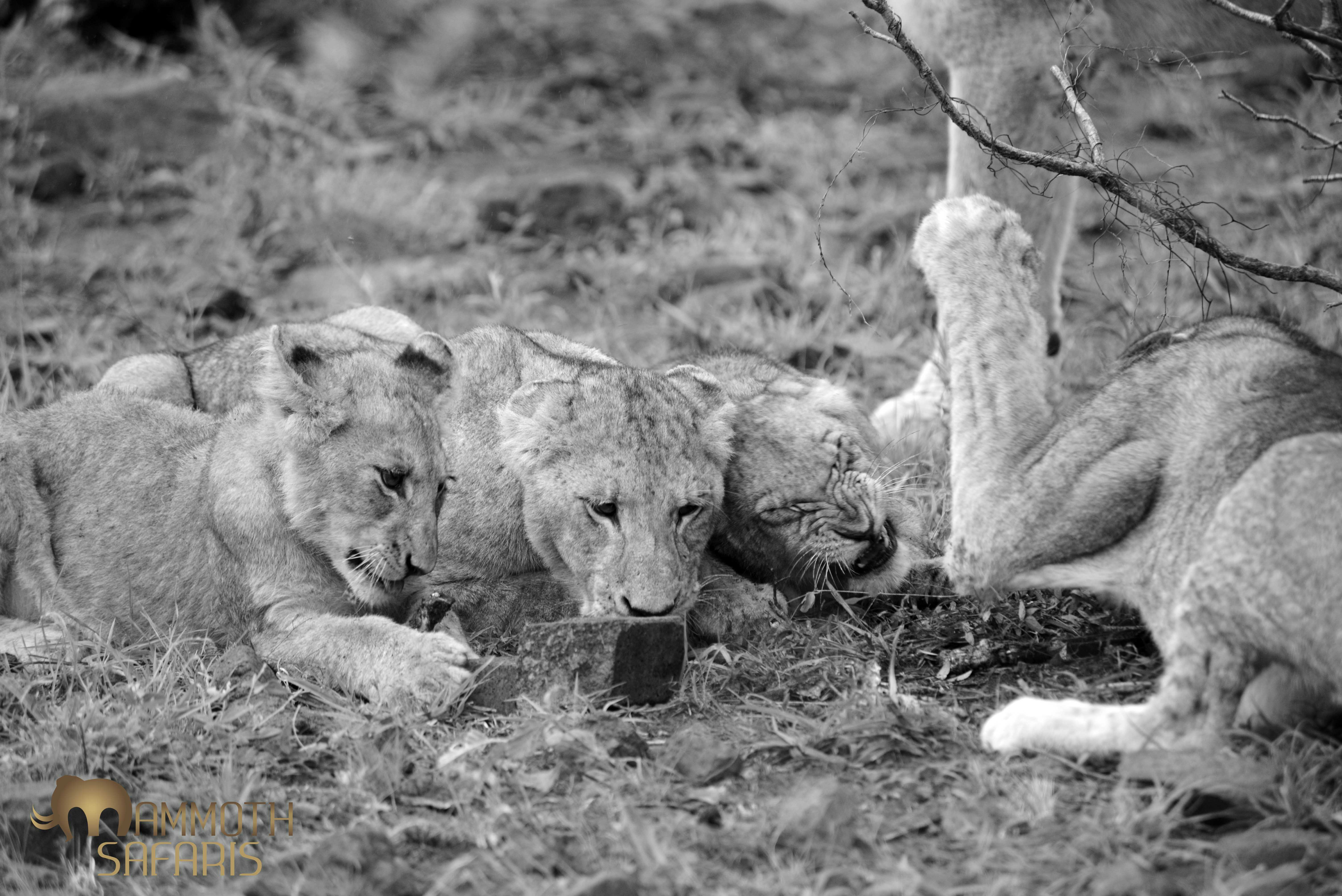
We found a rather lean-looking pride of lions on the Mozambique boundary. Here the cubs were fighting over sinew and a chance to lick the ground…desperate times indeed.
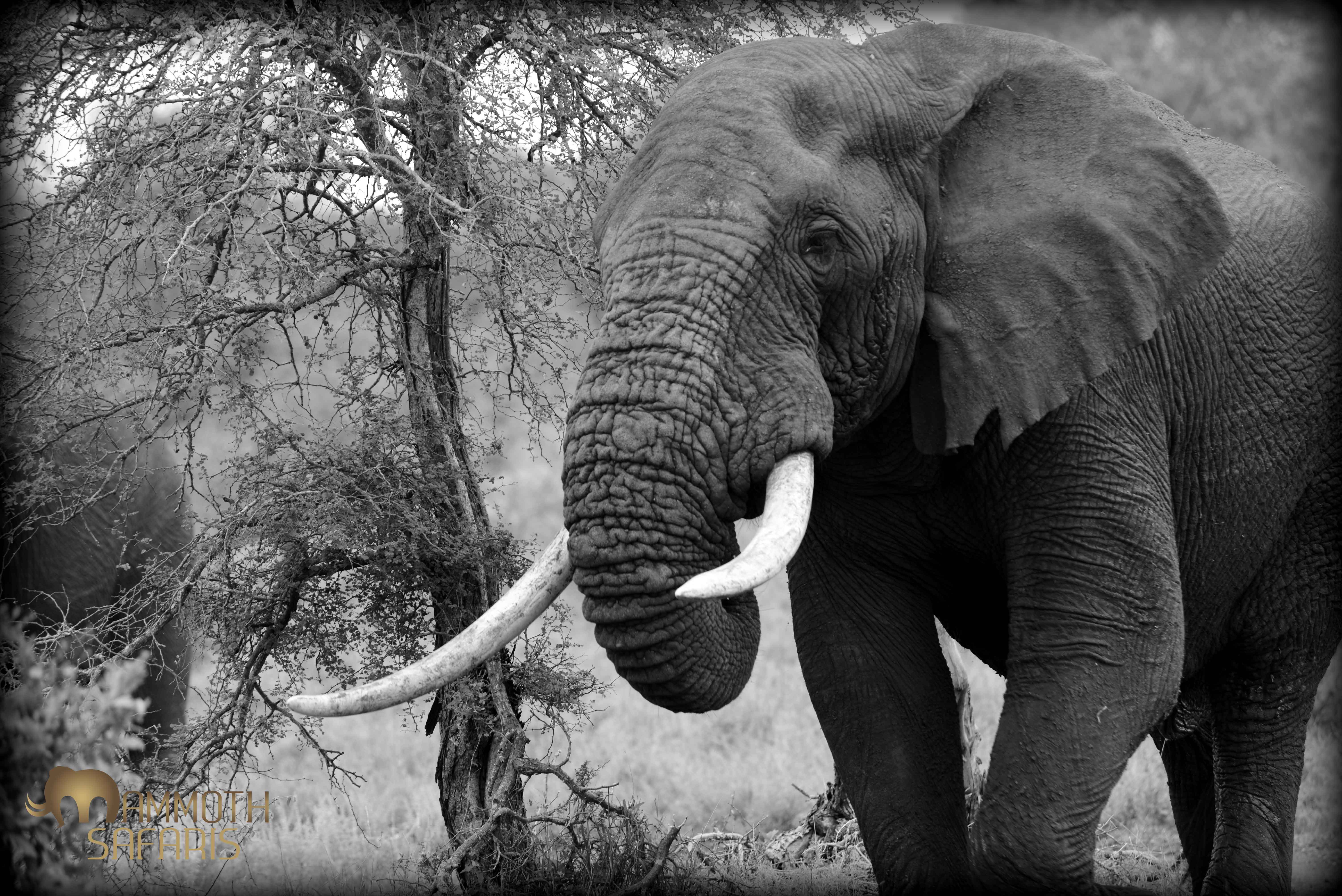
I saw this elephant bull and wondered just how large he might be when he really grows up one day!